

Reviewed · HOBART CITY & WALKING TOURS
Historic Battery Point
Quieter than the docks it overlooks, Battery Point delivers history on foot. This 2-hour walking tour threads live commentary through one of Hobart’s most characterful neighborhoods, from Parliament House to Salamanca Place.
I especially like how the walk uses live storytelling to connect buildings to real people, not just dates. I also like that the route is paced as an easy stroll, so you can actually notice architecture—colonial-era shapes, plus simpler cottages for working families.
The main consideration is simple: you’re on city pavements for about 2 hours. Even with places to perch along the way, it’s not the kind of outing where you can stroll for two minutes and call it a day if mobility is limited.
In This Review
- Key things to know before you go
- Starting at Parliament House: the waterfront orientation you’ll appreciate later
- Battery Point’s Cottage Green past: farmland to fashionable address
- Old homes in mixed styles: what to look for when the guide points
- Arthur Circus: a distinctive stop with a character-driven story
- Governor Arthur, Reverend Knopwood, and Alexander MacGregor: the human engine of Hobart
- The walking pace: easy going, with room to pause
- Finishing at Salamanca Place: turn the last minutes into a meal or market browse
- Price and value: what $27.26 really buys you
- What it’s like with your guide: clarity, humour, and real answers
- Who should book this Battery Point walk (and who might prefer another plan)
- Short practical plan: how to pair this tour with the rest of Hobart
- Should you book Historic Battery Point?
- FAQ
- Where does the tour start and end?
- How long is the Historic Battery Point walking tour?
- What’s included in the price?
- Is the ticket mobile?
- How big are the groups?
- Is the walking difficult?
- Does it run in bad weather?
- Are food and drinks provided?
- Are children allowed?
- Are refunds available if plans change?
- Are service animals allowed?
Key things to know before you go

- Small-group format (max 8) keeps the guide’s talk clear and your questions easy.
- Live commentary turns Battery Point’s streets into a timeline you can follow without studying first.
- Parliament House to Salamanca Place gives you a satisfying before-and-after: politics and waterfront markets.
- Arthur Circus on the route adds a standout landmark with a real historical storyline.
- Old homes across mixed eras means you’re not just looking at one style of building.
- All-weather operation means you’ll get the walk no matter what the sky does—dress for it.
Starting at Parliament House: the waterfront orientation you’ll appreciate later
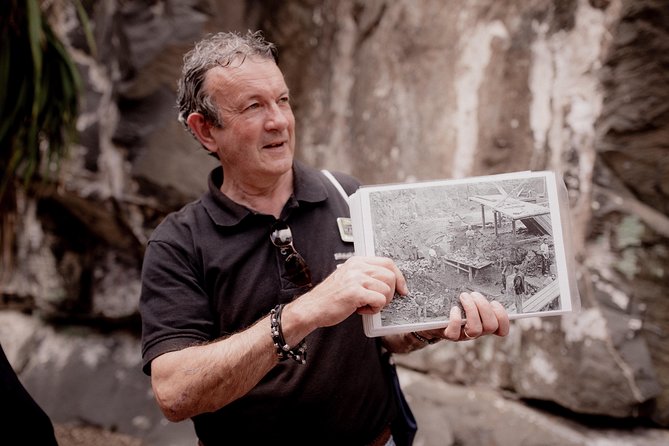
Most walking tours start in a place you still have to find. This one starts outside Parliament House, near the Salamanca Place waterfront, which helps you get your bearings fast. You’ll be near the water from the first minute, and that matters, because the stories here keep circling back to trade, ships, and money flowing in.
Meeting at a major landmark also means the start point is easy to spot and simple to reach by public transport. No hotel pickup either, so you’ll get a more independent rhythm from the beginning—and you won’t waste time waiting for anyone’s morning logistics.
More walks through Hobart, Salamanca and Battery Point
Battery Point’s Cottage Green past: farmland to fashionable address
Battery Point wasn’t always the elegant district you see today. The area was once farmland known as Cottage Green, and the neighborhood’s transformation is the thread that ties everything together. As you walk at a leisurely pace, the guide helps you connect how wealth and shipping activity changed what people built—and who they built it for.
One thing I really value about tours like this is that they don’t treat “historic” as a museum label. Here, the neighborhood is explained as a living patchwork: elegant residences, older homes that reflect Tasmania’s early era, and smaller housing linked to workers.
You’ll also hear how the British Royal Navy shipping activity—timber, wool, rum—fed into Salamanca-area commerce, and that commerce shaped what landed in Battery Point. The result is a place that feels quiet and almost exclusive now, but wasn’t always. It’s one of those rare tours where you walk through calm streets and still feel the economic engine underneath.
Old homes in mixed styles: what to look for when the guide points
Battery Point is often described in terms of architecture, but the practical question for you is: what should you look at while walking? This tour helps by pointing out a range of styles—colonial estates down to quaint cottages for workers—so you can spot differences that a casual glance might miss.
Here’s how to make it pay off with your own eyes:
- When the guide mentions an era, look for the shape first (roofline, symmetry, verandas), then the details.
- Notice contrast: a grand home isn’t just bigger; it often signals different priorities—status, materials, and what the local money system allowed.
- If you see plainness, treat it as information, not absence. Worker cottages tell you about a different slice of Hobart’s story.
Even if you’re not an architecture nerd, this kind of guided “look here, then there” approach makes the walk feel purposeful. You’re not just collecting photos. You’re building a mental map of how Battery Point grew.
Arthur Circus: a distinctive stop with a character-driven story

Arthur Circus is one of the tour highlights, and it’s the kind of stop that gives you a visual anchor for the whole neighborhood. Circular or “circus” street layouts create a built-in sense of drama, and in Battery Point the guide uses that geometry to talk about how the area developed and who had influence.
You’ll hear stories involving Governor Arthur, including some sharply dubious property dealings. The point of these stories isn’t gossip for its own sake. It helps you understand power—how officials shaped outcomes—and how that trickled down to land ownership and neighborhood growth.
As you move through the area, try to keep one question in mind: who benefited from the way things were sold, planned, or reshaped? That framing makes the architecture feel less random and more like the physical record of decisions.
Governor Arthur, Reverend Knopwood, and Alexander MacGregor: the human engine of Hobart

Battery Point history can sound like a list of famous names. This tour keeps it grounded by telling you why those people mattered and what their behavior did to the city.
You’ll hear about Governor Arthur’s property controversies, and later about the downfall of the carousing Reverend Knopwood. That’s a fun thread, yes, but it also adds texture. Hobart wasn’t just built by builders and merchants. Social life, reputations, and institutions all played into how the town functioned.
Then comes the big business figure: Alexander MacGregor, described here as a shipbuilding tycoon. His legacy shows up in the neighborhood, including a grand Georgian home style that still stands. The value for you is that you’re not separating “wealth” from “the streets you’re walking on.” You’re seeing how industrial power and maritime trade translated into lasting buildings.
If you like history that connects cause to effect, this is a strong stretch of the walk. You’ll leave with names you can place—and you’ll be able to point out what the buildings represent, not just what they look like.
More of the convict history and the old town
- Derwent River Historic Harbour Cruise From Hobart
★ 4.5 · 570 reviews - Tasman Island Cruises and Port Arthur Historic Site Day Tour from Hobart
★ 5.0 · 477 reviews - Tasman Peninsula Tour, Cruise & Port Arthur Historic Site
★ 4.9 · 339 reviews - Hobart: Historic Lunch Cruise
★ 4.6 · 271 reviews - Hobart History, People & Places – 2 hour city walk
★ 5.0 · 224 reviews
The walking pace: easy going, with room to pause

This is designed as an easy stroll along city pavements, running for about 2 hours. That timing works well if you want something more than a quick wander but don’t want a full-day commitment.
The route includes places to sit or perch, which I find underrated. History walking tours can get long fast if you’re standing for every sentence. Having options to rest means you can keep your energy for the parts that actually interest you—like the next story beat or the next architecture detail.
One practical tip: wear shoes you’re comfortable in on urban surfaces. You’re moving through pavements, not park paths. Also, since it operates in all weather conditions, pack for the day you have. Dress appropriately, and if rain is in the forecast, you’ll want gear that keeps your feet comfortable and your photos possible.
Finishing at Salamanca Place: turn the last minutes into a meal or market browse
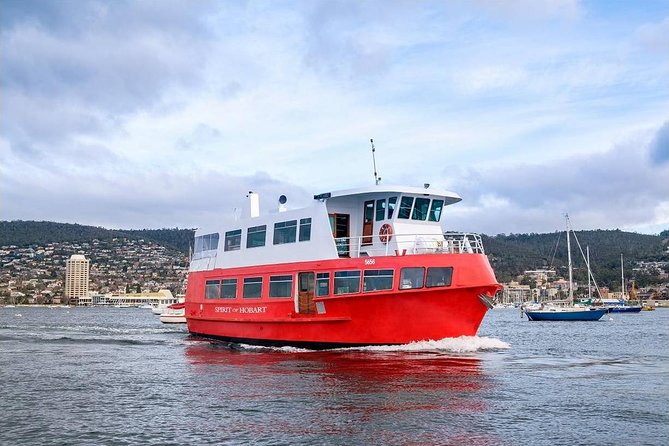
The walk ends at Salamanca Place, which is famous for the Saturday market. Even if you’re not going specifically for the market, the location is a smart payoff: you get a dramatic shift from quiet streets to a waterfront hub.
This also makes planning easier. You’re not dropping in the middle of nowhere and then hoping you can find food. The guide will also direct you to favorite nearby cafés for a reviving coffee after the tour. That matters if you’re traveling with hungry people or you’re on a schedule.
If you happen to be in Hobart on a Saturday, give yourself extra time after the tour. The market is part of the reason Salamanca Place is so popular, and you’ll enjoy the transition from “historic walk” to “local scene” without rushing.
Price and value: what $27.26 really buys you

At $27.26 per person, this isn’t just a cheap add-on. You’re paying for a few things that add value fast:
- A professional local guide providing live commentary
- A curated route through Battery Point’s main architectural and story points
- A small group cap (max 8), which often improves the quality of questions and pacing
- A clean start and end point that links major landmarks
The tour also runs for about 2 hours, which is a sweet spot. It’s long enough for story and context, but short enough that you can still do other Hobart stops the same day.
One more small value clue: it’s often booked about 61 days in advance on average. That doesn’t mean you must book early, but it does suggest demand. If you’re visiting during busy periods, locking in your time reduces last-minute stress.
What it’s like with your guide: clarity, humour, and real answers
A walking tour succeeds or fails on the guide’s ability to connect the dots. This one leans into that, with live narration as you go. That style tends to work best when the guide can answer follow-up questions on the spot and keep the pacing natural rather than scripted.
The guide names you may hear in connection with these walks include Lisa and Bec. In practice, what stands out from their described approach is engagement: clear explanations, an ability to field questions, and a sense of humour that keeps the history from turning into a lecture.
If you’re the kind of person who likes to ask why a street is laid out that way—or what a specific building used to represent—this tour is set up for that interaction. The small group limit makes it more feasible than in big tours where your questions get swallowed.
Who should book this Battery Point walk (and who might prefer another plan)
This tour is a strong fit if you want:
- A first-timer-friendly introduction to Battery Point’s history and architecture
- A guided way to understand how shipping, trade, and power shaped Hobart
- A relaxed pace without heavy climbs or long distances
It also suits you if you like stories that mix famous names with outcomes you can still see. Governor Arthur, Reverend Knopwood, and Alexander MacGregor become memorable because the walk connects their stories to the neighborhood’s real fabric.
You might want to think twice if:
- You need a fully seated or wheelchair-friendly experience, since the tour is a walking route on city pavements.
- You dislike weather unpredictability, since it runs in all conditions and you’ll need to dress for it.
That said, the tour does mention places to sit or perch, which can help you manage breaks on the way.
Short practical plan: how to pair this tour with the rest of Hobart
Because the tour starts by Parliament House and ends by Salamanca Place, it’s easy to stitch into a day. A simple approach is to schedule other nearby waterfront activities either before the start or after you finish. After the walk, you’ll naturally be in the part of town where food options and browsing are easiest.
If you’re taking photos, you’ll get two different moods: quieter streets during the walk, then a more lively public space at the end. That contrast helps your photos tell a story, not just capture buildings.
Also, keep your phone charged for the mobile ticket day-of. It’s a small thing, but it removes friction when you’re trying to meet a guide quickly.
Should you book Historic Battery Point?
If your goal is to understand Battery Point beyond postcard-level looks, this is an easy yes. The live guided format, the focus on how trade and personalities shaped the neighborhood, and the small group size make it feel more like a conversation walk than a mass production.
I’d especially recommend it if you’re the type who likes when a guide turns architecture into meaning—why these streets look the way they do, how wealth moved, and which figures left lasting marks. The ending at Salamanca Place is a smart bonus because it hands you a practical next step: coffee, lunch, or Saturday market browsing.
Book it if you want a calm, historical stroll with enough story to keep you interested for every minute. Pass if you’re trying to fill a day with zero walking or you want a purely museum-style experience with indoor comfort.
FAQ
Where does the tour start and end?
It starts outside Parliament House, at 1 Salamanca Pl, Hobart TAS 7000, near the waterfront. It ends at Salamanca Place at Salamanca Pl, Hobart TAS 7000.
How long is the Historic Battery Point walking tour?
The tour lasts about 2 hours.
What’s included in the price?
The included item is a professional local guide.
Is the ticket mobile?
Yes. The tour uses a mobile ticket.
How big are the groups?
The tour has a maximum of 8 travelers.
Is the walking difficult?
It’s described as an easy walking tour along city pavements. There are places to sit or perch along the route.
Does it run in bad weather?
Yes. It operates in all weather conditions, and you’re asked to dress appropriately.
Are food and drinks provided?
No. Food and drinks are not included. The guide can direct you to cafés after the tour.
Are children allowed?
Children can participate, but must be accompanied by an adult.
Are refunds available if plans change?
Free cancellation is available up to 24 hours in advance for a full refund. Refunds are not issued if you miss the tour due to late or non-arrival of a cruise ship.
Are service animals allowed?
Yes, service animals are allowed.
More of the Hobart Story
- Derwent River Historic Harbour Cruise From Hobart
★ 4.5 · 570 reviews - Tasman Island Cruises and Port Arthur Historic Site Day Tour from Hobart
★ 5.0 · 477 reviews - Tasman Peninsula Tour, Cruise & Port Arthur Historic Site
★ 4.9 · 339 reviews - Hobart: Historic Lunch Cruise
★ 4.6 · 271 reviews - Hobart History, People & Places – 2 hour city walk
★ 5.0 · 224 reviews
More Tour Reviews in Hobart
- Bruny Island Food, Sightseeing, Guided Lighthouse Tour & Lunch
★ 5.0 · 2,989 reviews - Full-Day Guided Bruny Island Tour from Hobart
★ 5.0 · 1,331 reviews - kunanyi/Mt Wellington Explorer Bus- Return Tour (2.5 hours)
★ 5.0 · 1,249 reviews - Hobart: kunanyi/Mt Wellington Explorer Bus Pass
★ 4.8 · 848 reviews - Bruny Island Traveller – Gourmet Tasting and Sightseeing Day Trip from Hobart
★ 5.0 · 786 reviews
Walking Tours of Hobart
- Hobart History, People & Places – 2 hour city walk
★ 5.0 · 224 reviews - Hobart: 3-Hour City Sightseeing Tour
★ 4.6 · 179 reviews - Hobart City Sightseeing Tour including MONA Ticket
★ 4.4 · 153 reviews - Shore Excursion: Hobart Highlights Day Tour
★ 4.5 · 107 reviews - Old Hobart Pub Walking Tour
★ 4.5 · 91 reviews
Just Added: Fresh Hobart and Tasmania Reviews





Hobart City & Walking Tours, compared.
 ★ 5.0Hobart History, People & Places – 2 hour city walkFrom $27224 reviews
 ★ 4.63-Hour City Sightseeing TourFrom $46179 reviews
 ★ 4.4Hobart City Sightseeing Tour including MONA TicketFrom $99153 reviews
 ★ 4.5Shore Excursion: Hobart Highlights Day TourFrom $107107 reviews
 ★ 4.5Old Hobart Pub Walking TourFrom $2791 reviews
 ★ 5.0Shore Excursion-Hobart WandererFrom $11487 reviews
 ★ 5.0Hobart Highlights Day TourFrom $10084 reviews
 ★ 5.0Salamanca Walk – History TourFrom $2881 reviews
Browse the lists this tour appears in