
Reviewed · HOBART CITY & WALKING TOURS
Grand Hobart Walking Tour
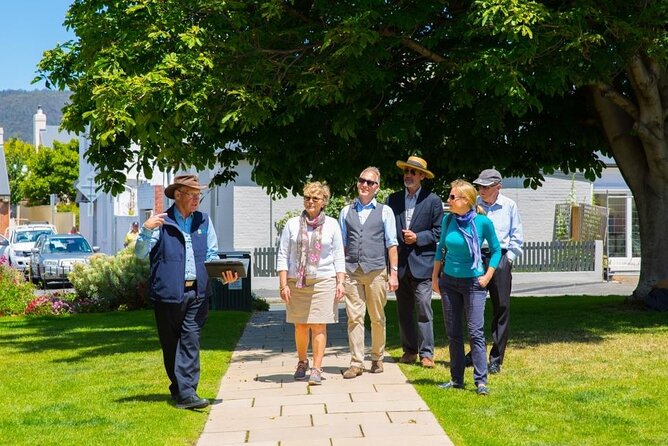
Hobart’s best stories are on foot. This 3-hour walking tour ties together what the city looked like in the early 1800s with today’s landmarks as you move between Hobart, Battery Point, and the Salamanca precinct. I especially like how it stays grounded in real places—sandstone buildings, warehouses, and streets you can still see—so the history doesn’t feel like a lecture.
I also like the small-group size (up to 12 travelers) and the guide-driven style. In the feedback I saw, guides such as Richard, Diane (Di), and Tony were praised for turning the walk into a conversation, not just a slideshow of facts.
One thing to consider: it’s a walking tour, so weather matters. If the skies turn nasty, plan for the possibility that the pace (or the second half) could feel cut short.
In This Review
- Key Highlights at a Glance
- Entering Hobart on Foot: Why This 3-Hour Loop Works
- Meeting Point and Timing: Tasmanian Travel & Information Centre at 2:00 pm
- The Early-Colony Stories You Actually Hear on the Streets
- Battery Point Stop: Heritage Sandstone Buildings You Can Spot Immediately
- Salamanca Precinct: Colonial Warehouses Now Used for Everyday Life
- Price and Value: What $43 Buys You (and Why It’s Not Just a Walk)
- What to Do Before and After: Make Your Afternoon Work
- Who This Tour Is Best For (and Who Should Skip It)
- Should You Book the Grand Hobart Walking Tour?
- FAQ
- How long is the Grand Hobart Walking Tour?
- Where do I meet the guide?
- What time does the tour start?
- Where does the tour end?
- What’s the price per person?
- How big is the group?
- What’s included in the ticket price?
- What’s not included?
- Is there a mobile ticket?
- Is free cancellation available?
- Are children allowed?
- Are service animals allowed?
Key Highlights at a Glance
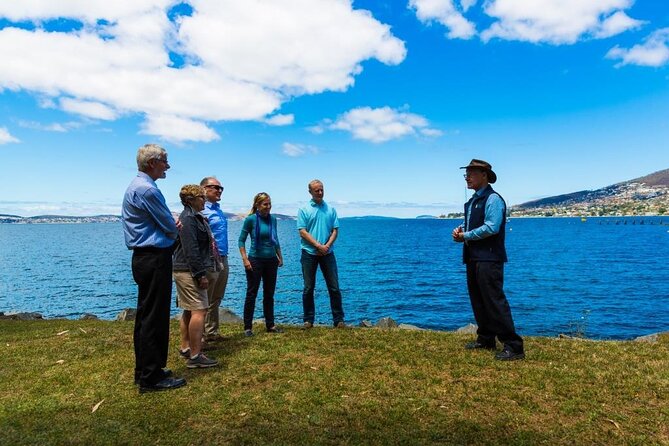
- Battery Point sandstone streets: see heritage buildings that date back roughly 180 years
- Salamanca Place colonial warehouses: classic colonial-era architecture now used for shops and dining
- Hobart’s origin story (1803): learn how the early colony shaped the city you walk through today
- Small groups (max 12): easier questions, better guide attention
- Salamanca Markets option on Saturdays: hundreds of vendors when the day lines up
Entering Hobart on Foot: Why This 3-Hour Loop Works
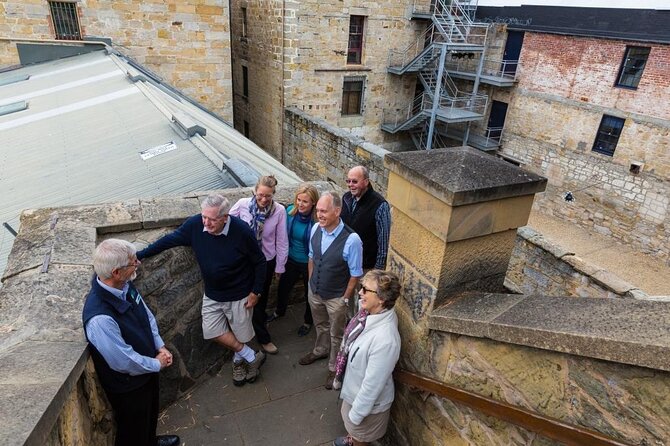
This tour is the kind of city walk that helps you get your bearings fast. You start in central Hobart and spend the next three hours working through two of the area’s most character-filled neighborhoods: Battery Point and the Salamanca precinct. It’s a practical choice if you’ve got limited time, but you still want more than the usual postcard stops.
What makes the walking route worth your time is the way the guide connects the physical buildings to the people and pressures behind them. You’re not just told that Hobart was founded in 1803—you’re walked past present-day landmarks and heritage-listed sites that explain why the city grew the way it did. And since Hobart is described as the second oldest city in Australia after Sydney, you quickly see why people treat this place as more than just a stop on a Tasmanian itinerary.
Another plus: the tour is guided the whole way. You don’t need to do mental map math while trying to interpret architecture. That’s big value in a place where the charm is in the details—doorways, building materials, street layouts—things you might miss if you go solo without a plan.
More walks through Hobart, Salamanca and Battery Point
Meeting Point and Timing: Tasmanian Travel & Information Centre at 2:00 pm
You’ll make your own way to the Tasmanian Travel & Information Centre, 20 Davey St, Hobart TAS 7000, and meet your guide there. The start time is 2:00 pm, and the tour runs for about three hours.
The end point is Salamanca Place (Salamanca Pl, Hobart TAS 7000). That matters because it drops you near a cluster of food, coffee, and shopping options right when you’re done walking. It’s an easy way to turn the tour into part of your afternoon plan, rather than ending somewhere inconvenient.
If you’re coming from a cruise ship or hotel farther out, build in a little buffer for getting to the meeting point. The tour doesn’t include hotel pickup or drop-off, so you’ll want to arrive early enough to settle in and find the right spot without rushing.
The Early-Colony Stories You Actually Hear on the Streets
Right from the start, the tour focuses on Hobart when it was new—founded in 1803—and how the early colony influenced Tasmania in the early days. You’ll pass today’s landmarks while learning what the buildings and locations meant back then. The goal isn’t to overwhelm you with names and dates. It’s to help you see patterns: how settlement decisions shaped the town layout and what kinds of structures were built where.
You should expect a mix of history and real-world context—issues and people that shaped the colony, followed by what you can still observe now. That gives the tour a “why this place looks like it does” feel, which is exactly what I want from a guided walk. It turns the city into a readable document.
Also, the guide style can make a noticeable difference. Some guides in the feedback—like Diane (Di)—were described as interactive and inclusive, with a sense of humor that helped everyone feel part of the story. If you’re the type who asks questions, this kind of approach helps you get more out of the time you paid for.
Battery Point Stop: Heritage Sandstone Buildings You Can Spot Immediately
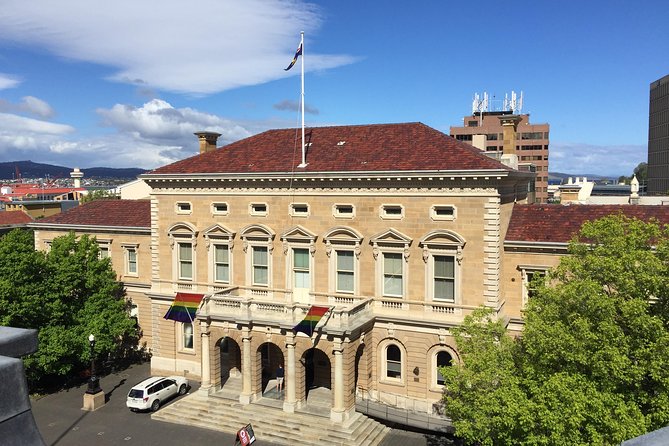
Battery Point is where the tour shifts into a more time-warped mode. This stop is built around historical sandstone buildings, including examples that can date back around 180 years. As you walk, you’re asked to look at the material reality of the area—how the sandstone and the building forms reflect the era when they were built.
Why this works for you: sandstone and old warehouse-style architecture don’t just look pretty. They tell you something about the colony’s building choices and the kinds of functions these buildings served. Even without a textbook, you start noticing clues—how streetscape and building style fit together.
There’s also a practical benefit: Battery Point is a walkable neighborhood. You get the sense of place without needing special transport or tickets. Just keep your eyes open for heritage details and let the guide do the “connecting the dots” part.
Potential drawback: since this is still outdoors and on streets, comfort matters. Wear shoes you can move in for a solid block of time. And if the forecast looks questionable, don’t assume you can wait out showers—plan for wind and rain.
Salamanca Precinct: Colonial Warehouses Now Used for Everyday Life
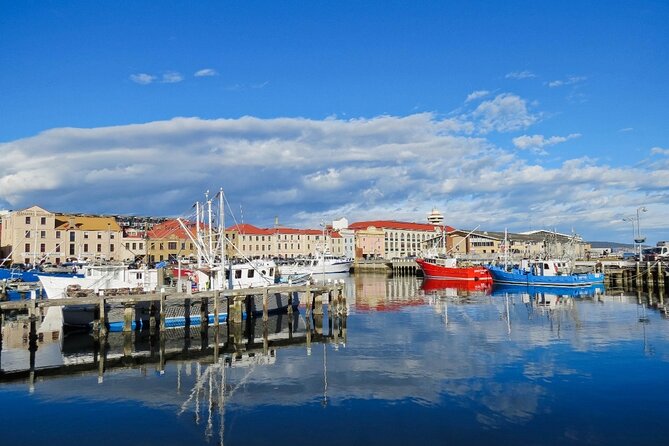
After Battery Point, you shift toward Salamanca Place, where the tour highlights sandstone warehouses that represent a strong example of colonial architecture in Australia. These buildings now serve modern roles—art galleries, offices, and restaurants—so you’re seeing the same structures used in everyday ways.
That mix—old shell, modern function—is one reason I think this stop is smart. It’s not just “look at old buildings.” It’s also “here’s how a city keeps using its past.” When the guide points out what you’re seeing, it helps you understand how places remain useful instead of becoming museum-only relics.
And if you’re there on Saturday, the tour notes the famous Salamanca Markets, which features several hundred vendors selling art, fresh foods, and handicrafts. Even if you don’t plan to shop during your tour time, it’s helpful to know what you’re walking into later. It gives you context for why Salamanca feels so active on market days.
A small caution: because Salamanca is a popular area, it can get busy—especially around market hours. If your tour ends near Salamanca Place, you may want to decide early whether you’re staying for the markets atmosphere or heading to a quieter meal nearby.
- Bruny Island Food, Sightseeing, Guided Lighthouse Tour & Lunch
★ 5.0 · 2,989 reviews - Full-Day Guided Bruny Island Tour from Hobart
★ 5.0 · 1,331 reviews - kunanyi/Mt Wellington Explorer Bus- Return Tour (2.5 hours)
★ 5.0 · 1,249 reviews - Hobart: kunanyi/Mt Wellington Explorer Bus Pass
★ 4.8 · 848 reviews - Bruny Island Traveller – Gourmet Tasting and Sightseeing Day Trip from Hobart
★ 5.0 · 786 reviews
Price and Value: What $43 Buys You (and Why It’s Not Just a Walk)
At $43.03 per person, this isn’t the cheapest thing you can book in Hobart. But it also isn’t overpriced for what you’re getting. You pay for a local guide and a structured route over about three hours, with two major areas handled in one outing.
The value shows up in a few ways:
- You get direction and context, not just exercise.
- You cover Battery Point and Salamanca without having to plan a day of walking yourself.
- You’re in a max-12 group, which means the guide can actually interact with people rather than racing through a script.
Also, the fact that you’re booking in advance on average about 51 days out suggests this is one of those tours that sells earlier than you might expect. If your trip dates are fixed, booking sooner is simply a good move.
If you’re the sort of traveler who always says yes to a walking tour, this one fits your style. If you dislike history, you might still enjoy it for the architecture—but you’ll get the most when you let the guide’s stories explain what you’re seeing.
What to Do Before and After: Make Your Afternoon Work
Since the tour starts at 2:00 pm and ends in Salamanca Place, treat it like the “connective tissue” of your afternoon. Before you go, you can keep things simple: eat earlier than you normally would if you want to avoid hunger during the walk. Food and drinks aren’t included, so you’ll either bring a small snack with you or plan to eat after you finish.
After the tour, you’re in a great position to continue exploring. Salamanca Place is already set up for post-walk wandering. If it’s Saturday, consider timing your meal or browsing to line up with the markets, since that’s when the area has the most vendor energy.
And for the walk itself, bring a couple of basics:
- Comfortable shoes for uneven streets and heritage neighborhood footpaths
- A light layer or rain gear, because Hobart weather can switch quickly
- A small water bottle, since nothing is provided
Who This Tour Is Best For (and Who Should Skip It)
This is ideal if you want an efficient orientation to Hobart plus real storytelling. It’s also a great pick for first-timers who need context for the city they’re going to keep seeing during the rest of their trip.
I’d especially recommend it if you enjoy:
- Architecture and heritage buildings
- Short, guided walks that give you more meaning per step
- Asking questions and learning how a place got shaped
If you’re mainly looking for big-ticket attractions, this won’t replace museums or top sights. This is a “how the city works” experience—streets, buildings, and the human factors behind them.
And if rain tends to derail your plans, have a backup strategy. One guide-led experience can still be worthwhile, but don’t expect every day to feel the same when conditions are rough.
Should You Book the Grand Hobart Walking Tour?
Yes, I think you should book it if you want a compact, guided way to understand Hobart beyond the obvious stops. The combination of Battery Point sandstone buildings and the Salamanca Place precinct makes this tour a strong use of time. You also get the reassurance of a high recommendation rate and a consistent theme in the feedback: guides like Richard, Diane (Di), and Tony are praised for making the stories land.
Skip it only if you strongly dislike guided walking, hate history talk, or can’t handle being outdoors for about three hours. If you’re flexible, wear good shoes, bring a layer, and you’ll walk away with a much clearer sense of why Hobart looks the way it does.
FAQ
How long is the Grand Hobart Walking Tour?
It’s approximately 3 hours.
Where do I meet the guide?
You meet at the Tasmanian Travel & Information Centre, 20 Davey St, Hobart TAS 7000.
What time does the tour start?
The start time is 2:00 pm.
Where does the tour end?
The tour ends at Salamanca Place (Salamanca Pl, Hobart TAS 7000).
What’s the price per person?
The price is $43.03 per person.
How big is the group?
The tour has a maximum of 12 travelers.
What’s included in the ticket price?
A local guide is included.
What’s not included?
Food and drinks are not included, and there’s no hotel pickup or drop-off.
Is there a mobile ticket?
Yes, the tour includes a mobile ticket.
Is free cancellation available?
Yes. You can cancel up to 24 hours in advance for a full refund. If you cancel less than 24 hours before the start time, the amount paid is not refunded.
Are children allowed?
Children must be accompanied by an adult.
Are service animals allowed?
Yes, service animals are allowed.
More Tours in Hobart
- Bruny Island Food, Sightseeing, Guided Lighthouse Tour & Lunch
★ 5.0 · 2,989 reviews - Full-Day Guided Bruny Island Tour from Hobart
★ 5.0 · 1,331 reviews - kunanyi/Mt Wellington Explorer Bus- Return Tour (2.5 hours)
★ 5.0 · 1,249 reviews - From Hobart: Full-Day Bruny Island Tour with Guide
★ 4.7 · 755 reviews - Day Tour in Mt. Field, Mt. Wellington, Bonorong Wildlife Sanctuary and Richmond
★ 5.0 · 735 reviews
More Tour Reviews in Hobart
- Bruny Island Food, Sightseeing, Guided Lighthouse Tour & Lunch
★ 5.0 · 2,989 reviews - Full-Day Guided Bruny Island Tour from Hobart
★ 5.0 · 1,331 reviews - kunanyi/Mt Wellington Explorer Bus- Return Tour (2.5 hours)
★ 5.0 · 1,249 reviews - Hobart: kunanyi/Mt Wellington Explorer Bus Pass
★ 4.8 · 848 reviews - Bruny Island Traveller – Gourmet Tasting and Sightseeing Day Trip from Hobart
★ 5.0 · 786 reviews
Walking Tours of Hobart
- Hobart History, People & Places – 2 hour city walk
★ 5.0 · 224 reviews - Hobart: 3-Hour City Sightseeing Tour
★ 4.6 · 179 reviews - Hobart City Sightseeing Tour including MONA Ticket
★ 4.4 · 153 reviews - Shore Excursion: Hobart Highlights Day Tour
★ 4.5 · 107 reviews - Old Hobart Pub Walking Tour
★ 4.5 · 91 reviews
Just Added: Fresh Hobart and Tasmania Reviews





Hobart City & Walking Tours, compared.
 ★ 5.0Hobart History, People & Places – 2 hour city walkFrom $27224 reviews
 ★ 4.63-Hour City Sightseeing TourFrom $46179 reviews
 ★ 4.4Hobart City Sightseeing Tour including MONA TicketFrom $99153 reviews
 ★ 4.5Shore Excursion: Hobart Highlights Day TourFrom $107107 reviews
 ★ 4.5Old Hobart Pub Walking TourFrom $2791 reviews
 ★ 5.0Shore Excursion-Hobart WandererFrom $11487 reviews
 ★ 5.0Hobart Highlights Day TourFrom $10084 reviews
 ★ 5.0Salamanca Walk – History TourFrom $2881 reviews
Browse the lists this tour appears in