
Reviewed · BONORONG WILDLIFE SANCTUARY & TASMANIAN DEVILS
Hobart: Admission Ticket to Bonorong Wildlife Sanctuary
Tasmania’s wildlife gets close fast. Bonorong Wildlife Sanctuary is interesting because it’s built around conservation and careful care for animals that can’t simply be released back to the wild. I particularly like the hand-feeding part, and I also love how the day is structured around learning what’s threatening wildlife and how the sanctuary responds.
What I like most is the mix of big, famous species with the smaller, surprising ones, all in one visit. You get guided time with keepers, then you can wander on your own and see animals at close range.
One thing to consider: it can get hot and sunny, and at least one visitor wished for more shade. If you’re going in peak summer, plan for sun and breaks.
In This Review
- Key points I’d circle before you go
- Bonorong Wildlife Sanctuary: the kind of day this is
- Price and value: what you actually get for $25
- How the day flows: arrival, guided tours, then self-paced animal time
- 1) Arrival and orientation
- 2) Join a daily guided tour
- 3) Wander and spot more animals
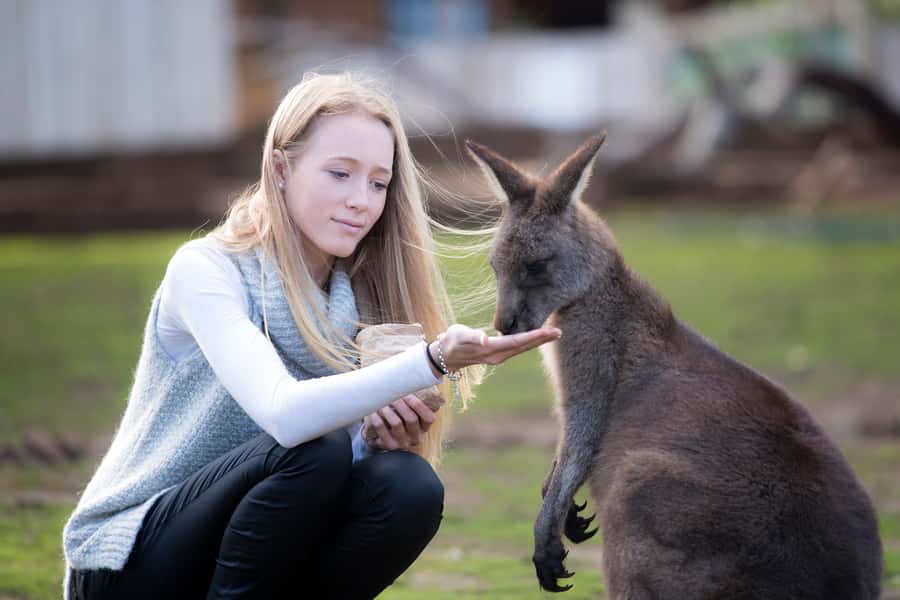
- Kangaroo feeding: the free-roaming moment with real rules
- How to make it smooth
- Why it feels special
- The stars and the surprises: Tasmanian devils, wombats, echidnas, and more
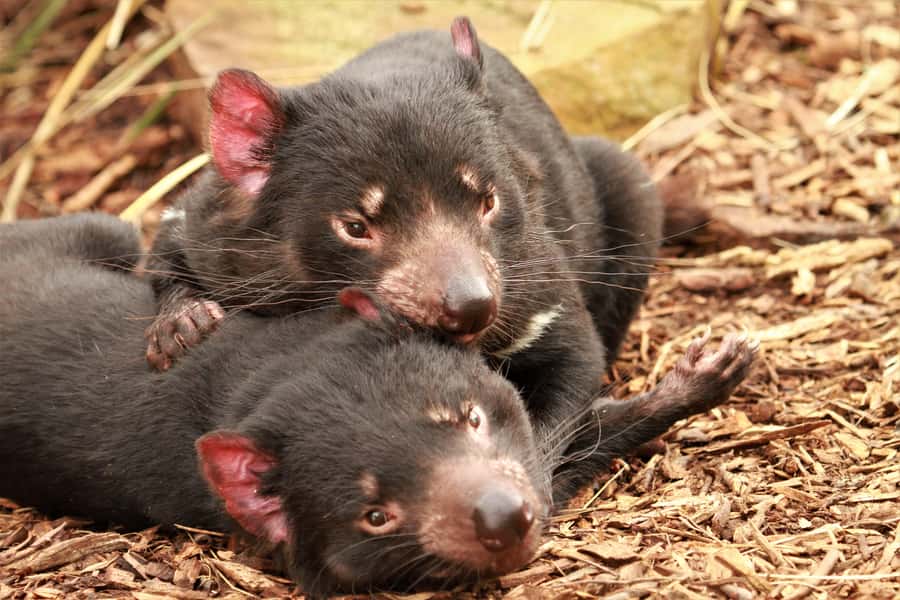
- Tasmanian devils
- Wombats and echidnas
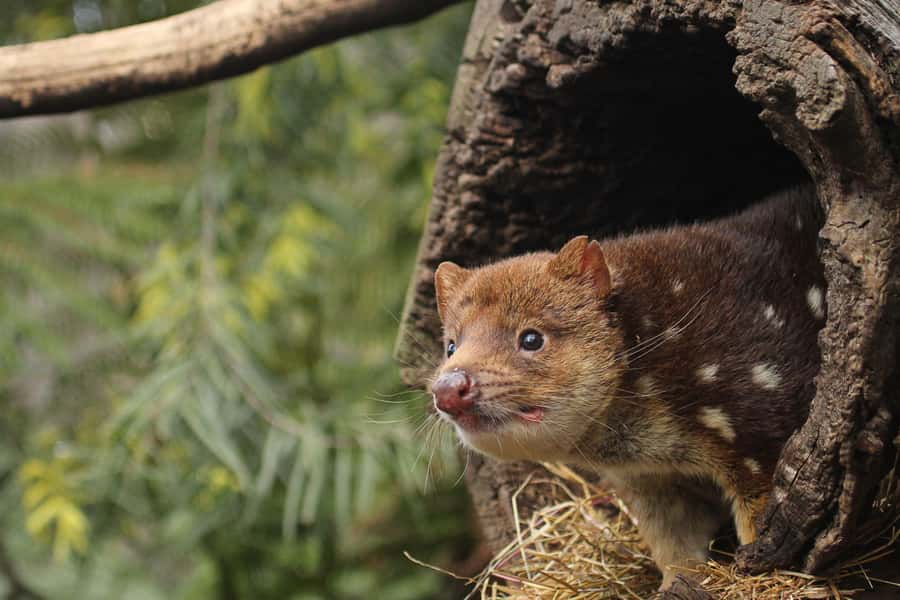
- Smaller wildlife: sugar gliders and eastern quoll
- Birds and other Aussie favorites
- Animal care and the behind-the-scenes feel (including the animal hospital)
- Photography and comfort: how to get great shots without roasting
- Bring comfort basics
- Timing that tends to work
- Practical info you should know before you arrive
- What’s not allowed
- Animals and personal items
- Food and drink
- Getting there
- Who should book this admission ticket?
- Should you book Bonorong Wildlife Sanctuary admission?
- FAQ
- How much is the Bonorong Wildlife Sanctuary admission ticket?
- What’s included with the ticket?
- Are guided tours included or an add-on?
- Is food and drink included?
- How long is the ticket valid?
- Is parking available on-site?
- Is smoking or vaping allowed?
- Can I bring an assistance dog or other animals?
Key points I’d circle before you go
- Free-roaming kangaroo feeding with the food bag included
- Daily guided tours that focus on species and protection efforts
- Tasmanian Devil viewing in a sanctuary setting, not a typical zoo setup
- Up-close animal care story including injured or endangered animals and how they’re handled
- Great variety beyond the headline animals, including wombats and other wildlife
- Easy logistics with on-site car parking and English-speaking staff
Bonorong Wildlife Sanctuary: the kind of day this is
Bonorong Wildlife Sanctuary is one of those places where the experience isn’t just about seeing animals. It’s about understanding why they’re there in the first place and what the sanctuary is doing so they have a future. In practice, that changes the vibe. You’re not just collecting photos; you’re watching people work, explain, and care.
I also like that you get both structure and freedom. You can join guided time with the staff, then continue exploring at your own pace. That works well if you’re traveling with kids, older relatives, or anyone who wants a slower rhythm after the most exciting moments.
Finally, the sanctuary’s mix of species makes the visit feel genuinely Tasmanian. Yes, you’ll find the headline animals. But you’ll also run into others that help you understand how diverse Australia’s wildlife really is—especially in Tasmania.
More time with the wildlife and the Tasmanian devils
Price and value: what you actually get for $25
At $25 per person, this ticket can feel like a bargain once you look at what’s wrapped into admission. You’re not only paying for entry. You’re also getting:
- admission itself
- a bag of kangaroo food for the feeding experience
- access to daily guided tours
- on-site car parking
Food and drink aren’t included, and transfers aren’t included. So yes, you still need to plan your day like an outing (especially if you’re driving from Hobart or elsewhere). But the core experience is covered: wildlife time, keeper-guided learning, and kangaroo feeding.
Value-wise, this stands out because the feeding and guided components would cost extra at many attractions if you tried to piece them together separately. Here, they’re part of the ticket.
How the day flows: arrival, guided tours, then self-paced animal time
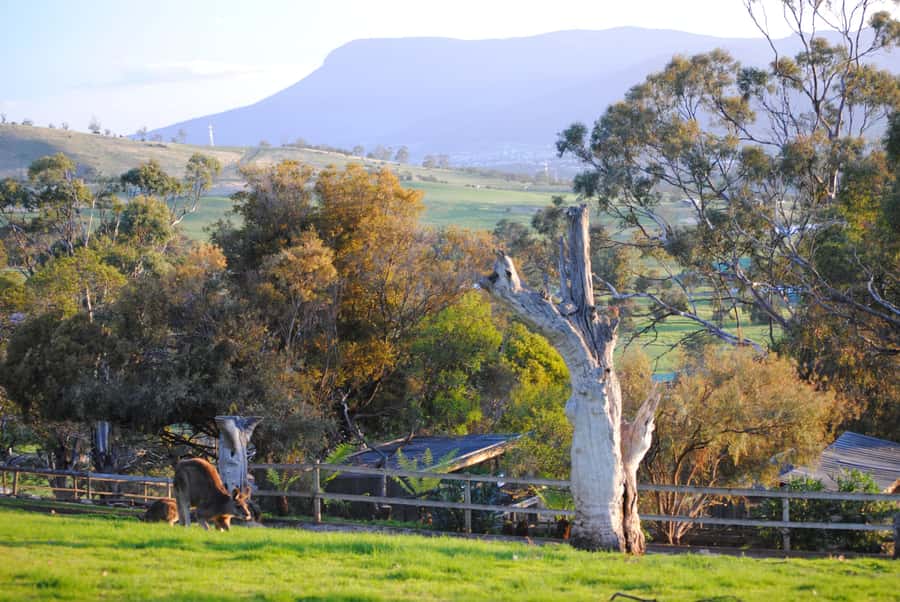
Bonorong is set up so you can do the visit in a straightforward loop: arrive, get your bearings, join a guided tour, then keep exploring.
1) Arrival and orientation
Once you’re on-site, the process is simple. You have on-site parking, and staff are there to help with entry and making sure you’re set for the day. Since the kangaroo feeding uses a provided food bag, you’re essentially going to be “ready for action” once you start moving through the grounds.
2) Join a daily guided tour
The guided tours are a big reason this visit feels more meaningful than just wandering around. A keeper will show you featured species and explain what makes each one special—plus what threatens them and how the sanctuary protects them.
One ticket format described in a review included guided time focused on three standout animals: Tasmanian devils, echidna, and wombat. Even if your tour focuses on different species, the pattern stays the same: you get a guided look at animals and the sanctuary’s conservation work behind them.
A few more Hobart trips to weigh before you book:
- Hobart City Sightseeing Tour including MONA Ticket
★ 4.4 · 153 reviews - Hobart: Admission Ticket to Bonorong Wildlife Sanctuary
★ 4.7 · 126 reviews - Full-Day Port Arthur Historic Site Tour and Admission Ticket
★ 4.5 · 85 reviews
3) Wander and spot more animals
After the tour, you can keep moving through the sanctuary and build your own route. This is where the day turns into a choose-your-own-adventure: you might return to your favorite enclosure, pause for close viewing, or track down animals you didn’t catch earlier.
And because you’re in a sanctuary setting (not a theme-park layout), the animal encounters can feel more “real.” You’ll notice staff are always paying attention, explaining, and adjusting care routines.
Kangaroo feeding: the free-roaming moment with real rules
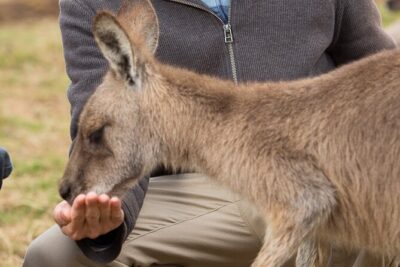
This is the experience most people remember: feeding free-roaming kangaroos with the bag of food included in your ticket. The key word is free-roaming. That means the animals move naturally through the area, and you’re visiting on their terms.
How to make it smooth
- Use the provided food bag (don’t rely on guesswork or outside snacks).
- Keep your pace steady and watch where the kangaroos are moving.
- Plan to slow down during feeding time so you don’t rush the animals.
Why it feels special
Hand-feeding changes the experience from “looking at wildlife” to “sharing space with wildlife.” It’s not just cute—it also helps you see how habituated animals can be managed safely and responsibly in a sanctuary environment.
If you want photos, this is also one of the most camera-friendly parts of the day. Just remember: your best shot comes from calm behavior, not trying to crowd closer.
The stars and the surprises: Tasmanian devils, wombats, echidnas, and more
Bonorong’s reputation is strongly tied to Tasmania’s most famous creatures—especially the Tasmanian devils. But the sanctuary works hard to make the full range of wildlife feel present, not afterthoughts.
Tasmanian devils
Multiple reviews highlight Tasmanian devils as a must-see. The big takeaway for you is that this isn’t framed as entertainment. It’s presented as part of the conservation story, and you’ll learn why these animals are vulnerable and what the sanctuary is doing.
If your trip is timed around seeing one species specifically, set that as your anchor plan. Then build the rest of the day around what you still want to catch.
Wombats and echidnas
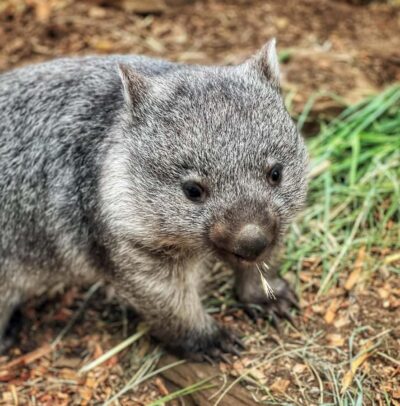
Wombats and echidnas show up as key animals during guided tours and self-paced viewing. Even if you already know what a wombat looks like, close viewing helps you appreciate their size and behavior in a care setting.
Echidnas add variety because they feel less “obvious” than the devils. If you like the quirky end of wildlife, you’ll probably enjoy this more than you expect.
Smaller wildlife: sugar gliders and eastern quoll
Some descriptions mention you might also see animals like sugar gliders and the eastern quoll. This matters because it shifts the visit from one big moment to a broader wildlife education. You start seeing Tasmania as an ecosystem, not a single attraction.
Birds and other Aussie favorites
Reviews also mention parrots and kookaburras, and people appreciate how much visibility they get for birds and animals. If bird-watching is your thing, it’s worth arriving ready to pause and look up.
Animal care and the behind-the-scenes feel (including the animal hospital)
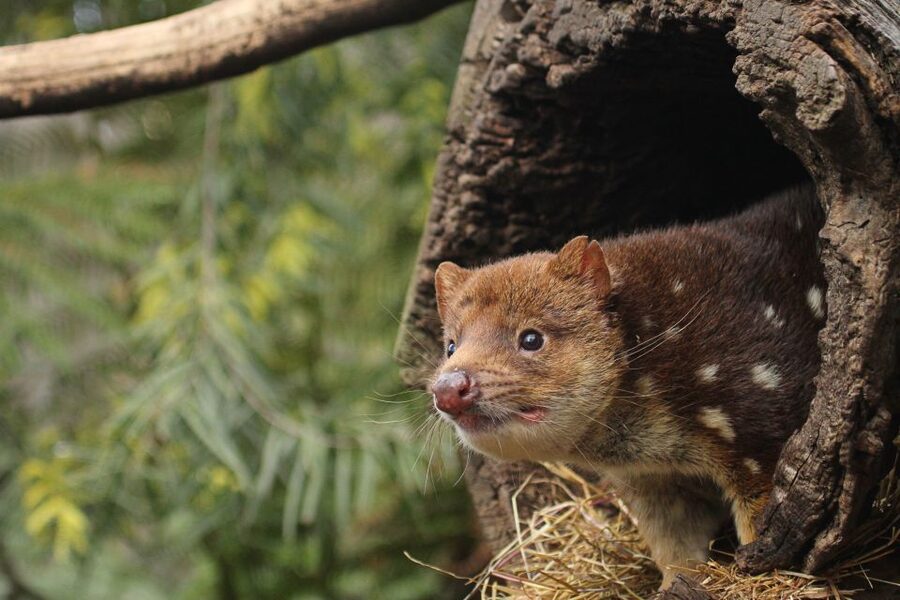
One of the most compelling aspects of Bonorong is the sense that you’re watching conservation in motion. A review mentioned being able to watch veterinarians examine and even operate on injured animals.
Even if you don’t catch a procedure that day, you’ll likely notice the sanctuary’s care approach: animals are there for clear reasons, often because they’re too young to be safely released or they have injuries or handicaps that prevent release.
That context changes how you view the enclosures. Instead of thinking, “Why aren’t they in the wild?” you’re more likely to think, “What would it take for them to be releasable?” The sanctuary is basically a bridge between injury and safety, plus a refuge in the meantime.
Photography and comfort: how to get great shots without roasting
You’ll probably take photos, especially during kangaroo feeding and when the animals are active. The sanctuary is designed for close viewing, and people report good visibility for birds and animals.
Bring comfort basics
Because shade can be limited on hot days (at least according to one visitor), come ready for sun.
- Sunscreen and a hat help.
- Water is smart since food and drink aren’t included in the ticket.
- If you’re sensitive to heat, plan extra time to rest between animal stops.
Timing that tends to work
Daily guided tours and free exploration mean you’re not locked into a single rigid schedule. A practical approach is:
- start with your guided tour so you get orientation and context
- then do the kangaroo feeding and self-paced highlights afterward
That way, you don’t waste your best energy time trying to figure out where everything is while the animals are moving around.
Practical info you should know before you arrive
A few rules and policies matter more than you might think, because they affect how you move and what you can bring.
What’s not allowed
- Smoking and vaping are not allowed in the Sanctuary.
- You also can’t light cigarettes or e-cigarettes within the Sanctuary.
Animals and personal items
Bonorong asks that visitors not take or bring animals onto the property without permission, including assistance dogs. This is one of those “read it twice” items if you rely on an assistance animal. If you need to bring one, check permission requirements before you go.
You also shouldn’t bring things like skateboards, rollerblades, bicycles or tricycles, or sporting equipment that could be dangerous to animals or people.
Food and drink
Food and drink aren’t included. Some visitors mention food available at a concession, so you’ll want cash/card for purchases if you plan to stay for a full stretch.
Getting there
Transfers aren’t included, so you’ll want your own transport plan. The upside is on-site car parking is included, which helps if you’re driving locally.
Who should book this admission ticket?
This is a strong fit if:
- you want a Tasmania-focused wildlife day without a long multi-stop tour
- you care about conservation and learn-as-you-go animal viewing
- you want the kangaroo feeding experience with a real sanctuary framework
- you’re traveling with kids, because the close-up wildlife moments make a big impression
It’s also a good option if you’re an animal lover who doesn’t just want to see animals, but wants to understand why they’re in care and what risks they face.
If you’re the type who prefers minimal walking and super structured “see one thing, then leave” schedules, you may need to plan your pace. The freedom to roam is part of the appeal, but it can also mean you’ll want to manage your time.
Should you book Bonorong Wildlife Sanctuary admission?
I’d book it if you want a single-day Tasmanian wildlife experience that blends close encounters with meaningful conservation education. The $25 price is easier to justify because the ticket includes admission, guided tours, and the kangaroo feeding food bag, plus parking.
The main caution is comfort: plan for sun and bring what you need since food and drink aren’t included and shade may be limited on bright days. If you handle that, you’ll likely leave feeling like you got more than a photo stop—you got a better understanding of Tasmania’s wildlife and why places like this matter.
FAQ
How much is the Bonorong Wildlife Sanctuary admission ticket?
The price is $25 per person.
What’s included with the ticket?
Admission is included, along with a bag of kangaroo food, access to daily guided tours, and on-site car parking.
Are guided tours included or an add-on?
Guided tours are included. You get access to daily guided tours.
Is food and drink included?
No. Food and drink are not included.
How long is the ticket valid?
The ticket is valid for 365 days.
Is parking available on-site?
Yes. On-site car parking is included.
Is smoking or vaping allowed?
No. Smoking and vaping are not allowed in the Sanctuary, and you can’t light cigarettes or e-cigarettes there.
Can I bring an assistance dog or other animals?
Customers can’t take or bring animals onto the property, including assistance dogs, without permission.
More Tickets in Hobart
- Hobart: 24-Hour Hop-on Hop-off Sightseeing Bus Ticket
★ 4.5 · 770 reviews - Hobart: Mount Wellington and Hobart Sightseeing Combo Ticket
★ 4.6 · 296 reviews - Hobart City Sightseeing Tour including MONA Ticket
★ 4.4 · 153 reviews - Full-Day Port Arthur Historic Site Tour and Admission Ticket
★ 4.5 · 85 reviews
More Tour Reviews in Hobart
- Bruny Island Food, Sightseeing, Guided Lighthouse Tour & Lunch
★ 5.0 · 2,989 reviews - Full-Day Guided Bruny Island Tour from Hobart
★ 5.0 · 1,331 reviews - kunanyi/Mt Wellington Explorer Bus- Return Tour (2.5 hours)
★ 5.0 · 1,249 reviews - Hobart: kunanyi/Mt Wellington Explorer Bus Pass
★ 4.8 · 848 reviews - Bruny Island Traveller – Gourmet Tasting and Sightseeing Day Trip from Hobart
★ 5.0 · 786 reviews
Wildlife and the Tasmanian Devils
- Day Tour in Mt. Field, Mt. Wellington, Bonorong Wildlife Sanctuary and Richmond
★ 5.0 · 735 reviews - Hobart: Mt Wellington, Mt Field, Bonorong and Richmond Trip
★ 4.8 · 722 reviews - Hobart: Port Arthur, Richmond & Tassie Devil – Active Tour
★ 4.8 · 351 reviews - From Hobart: Mt. Field, Mt. Wellington and Wildlife Day Tour
★ 4.8 · 261 reviews - Bonorong Wildlife Sanctuary Half-Day Tour from Hobart
★ 4.5 · 158 reviews
Just Added: Fresh Hobart and Tasmania Reviews



Bonorong Wildlife Sanctuary & Tasmanian Devils, compared.
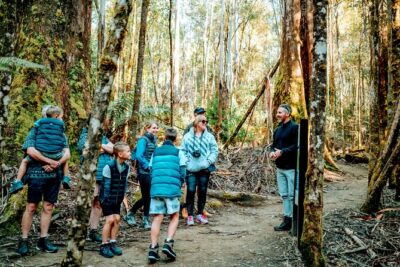 ★ 5.0Day Tour in Mt. Field, Mt. Wellington, Bonorong Wildlife Sanctuary and RichmondFrom $128735 reviews
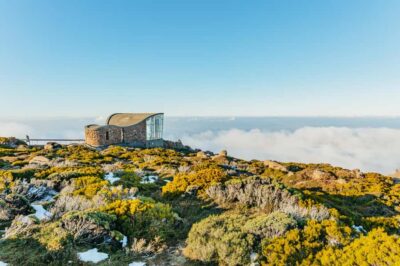 ★ 4.8Mt Wellington, Mt Field, Bonorong and Richmond TripFrom $126722 reviews
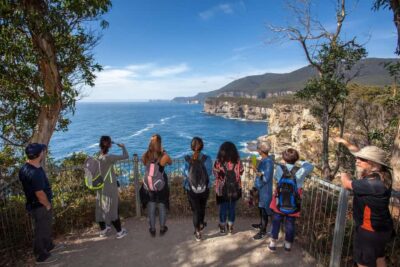 ★ 4.8Port Arthur, Richmond & Tassie Devil – Active TourFrom $138351 reviews
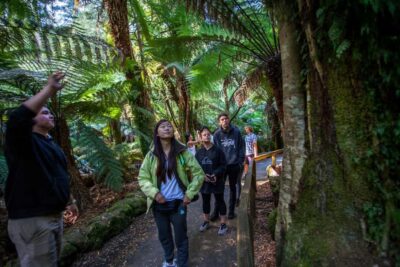 ★ 4.8Mt. Field, Mt. Wellington and Wildlife Day TourFrom $130261 reviews
 ★ 4.5Bonorong Wildlife Sanctuary Half-Day Tour from HobartFrom $88158 reviews
 ★ 4.5Port Arthur, Richmond and Tassie Devils Active Tour from HobartFrom $139128 reviews
 ★ 5.04 Day Wild Tasmania Tour / Wildlife, Nature, Hiking / Inc. AccomFrom $713126 reviews
 ★ 4.5Bonorong Wildlife Park and Richmond Afternoon Tour from HobartFrom $89113 reviews
Browse the lists this tour appears in