
Reviewed · MULTI-DAY TASMANIA TOURS
Tasmania: 7-Day West to East Tour
Tasmania in one week sounds impossible—until you see this route. You’ll move from Hobart to the wild west and then swing east through Cradle Mountain and Freycinet, ending with Tasman Peninsula and Port Arthur. It’s a strong mix of big nature days and story-rich stops, with hikes that you can scale up or down.
I really like how the tour builds in choice on the walking. Some days offer easy waterfall-style strolls, while others include classics like Dove Lake (more steps and rough track) or the summit option from Cradle Mountain. I also love that the itinerary is matched with purpose-built stops for wildlife and history, from Bonorong’s Tasmanian devils to convict-era Port Arthur.
One thing to consider: this is an active, packed schedule. Most days include short walks and plenty of driving, so if you’re sensitive to long road time—or prefer a slower pace—you may feel the trip is a lot, especially on bus seating.
In This Review
- Key things I’d bet you’ll care about
- Why this West-to-East route works in 7 days
- Hobart to Strahan: Mt Field towers, Russell Falls, and Lake St Clair’s scale
- Wild West Coast: rainforests, Henty Sand Dunes, and Ocean Beach
- Cradle Mountain to Launceston: wombat luck, Dove Lake legs, and Sheffield murals
- Launceston to Bicheno: Cataract Gorge wallabies and Bay of Fires white-sand magic
- Freycinet National Park: Wineglass Bay’s payoff and Mt Amos ambition
- Devils, Richmond, and kunanyi: the cultural half of the trip
- Tasman Peninsula and Port Arthur: convict history plus Crescent Bay walking
- What the guide + small-group format really changes
- Price and value: what $973 covers (and what to budget)
- Packing and pacing: how active is it, really?
- Who this tour is for (and who should skip it)
- Should you book this West to East Tasmania tour?
- FAQ
- What places will this 7-day Tasmania tour include?
- Where does the tour start and end?
- How much does the tour cost?
- What’s included in the price?
- What is not included?
- What kind of accommodation will I stay in?
- Are the walks difficult?
- Is there a luggage limit?
- Where is pickup available in Hobart?
- What’s the cancellation window?
Key things I’d bet you’ll care about
- Guides that shape the trip: recent groups have been led by guides including Keygan, Brendon, Hayden, Phil, Lynna, and Evan Thomas, with a strong focus on safety plus a relaxed group vibe.
- Hike options every day: you’ll usually get an easy-moderate menu, and the guide will help you pick a route that fits.
- Real Tasmania icons, not just viewpoints: Mt Field’s towering trees, Cradle Mountain’s glacial scenery, Wineglass Bay, and Port Arthur are major stops.
- Wildlife close-up: Tasmanian devils at Bonorong, plus chances for wombats/echidnas around Cradle Mountain and wallabies around Launceston.
- National park fees handled: entry fees are included, so you’re not doing surprise budgeting at the gate.
- Comfortable base sleep options: choose motel (private ensuite) or hostel (dorm or private, with shared same-gender bathrooms).
Why this West-to-East route works in 7 days
Tasmania is big, and the distances are real. What makes this tour work is the direction: you don’t bounce back and forth; you go west first, then progressively east until you finish around Hobart. That flow helps you see variety—rainforest coast, alpine wilderness, white-sand bays, and convict history—without wasting half your week on rerouting.
The other smart choice is pacing with structure. You’ll start early most days (many departures begin around 7:30 am), then wrap around 5 pm or earlier, leaving you a real evening to eat, rest, and reset.
More multi-day loops right around Tasmania
Hobart to Strahan: Mt Field towers, Russell Falls, and Lake St Clair’s scale
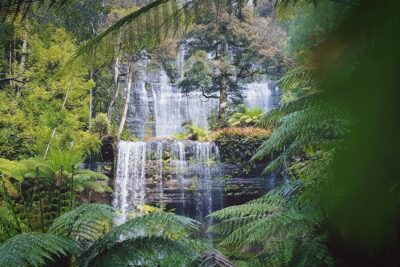
Your journey starts in Hobart and quickly turns into forest awe. In Mount Field National Park, you walk among some of the tallest eucalyptus trees you’ll ever see, then follow up with the Russell Falls walk—short, rewarding, and a great “warm-up hike” day.
From there, the scenery shifts toward Tasmania’s freshwater and wild river systems with Lake St Clair (Australia’s deepest freshwater lake) and the Franklin-Gordon Wild Rivers National Park area. This is where the island’s remoteness starts to feel tangible, even while you’re still on a guided, comfortable schedule.
You’ll also get a history stop with Queenstown’s mining background before arriving in Strahan, where you stay for two nights. I like this because the tour doesn’t treat nature as a theme park; it links what you’re seeing to how people lived here.
Possible drawback: the day is long on the road before you land in Strahan, so snacks and water habits matter. Food isn’t included, so plan to eat on your own at stops or pick up groceries when you can.
Wild West Coast: rainforests, Henty Sand Dunes, and Ocean Beach
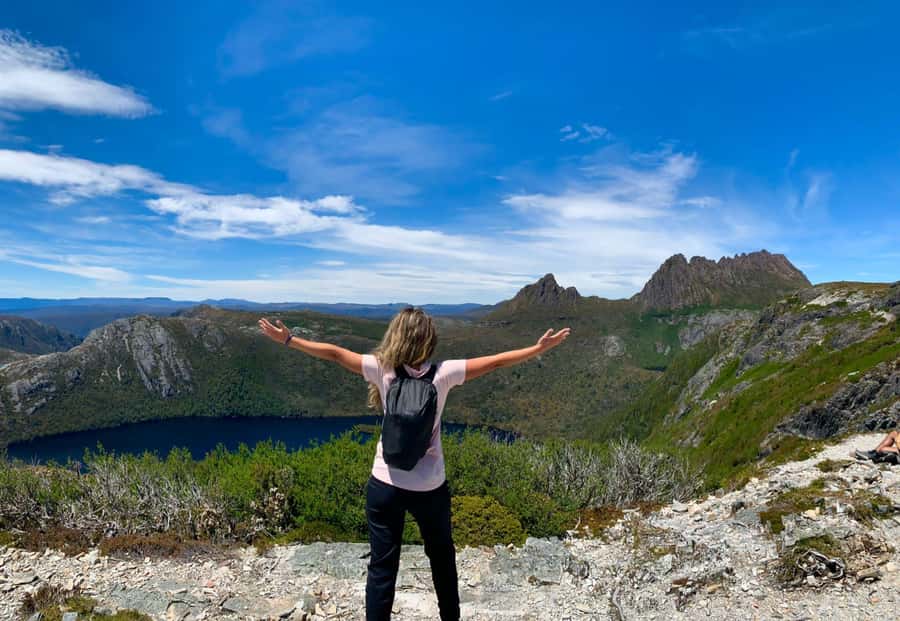
Day 2 is where you really feel the phrase wild west coast. You’ll explore rugged coastlines and rainforests, including a guided nature walk through ancient forest. This is the kind of stop where a guide matters, because the “what you’re looking at” details turn a walk into learning.
Then come the dunes and sand. Henty Sand Dunes and Ocean Beach bring you a totally different Tasmania vibe—endless sand stretch and wind-carved scenery. It’s also a good reminder that this island isn’t only about mountains; it’s got dramatic coastal moods.
You may also have a choice: today includes an optional Gordon River nature cruise (at your own expense). If you’re the type who loves boats and wildlife watching, this can be a satisfying add-on when the weather cooperates.
Cradle Mountain to Launceston: wombat luck, Dove Lake legs, and Sheffield murals
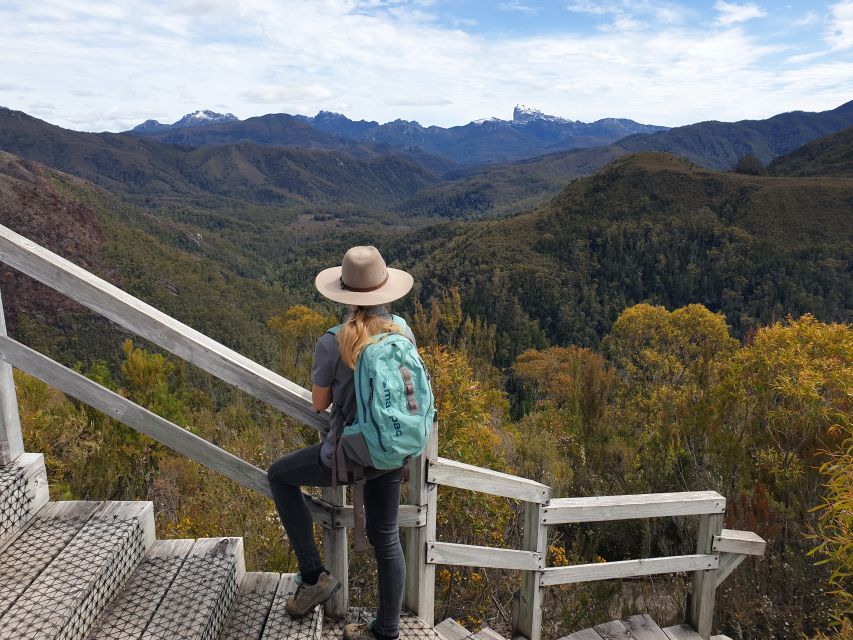
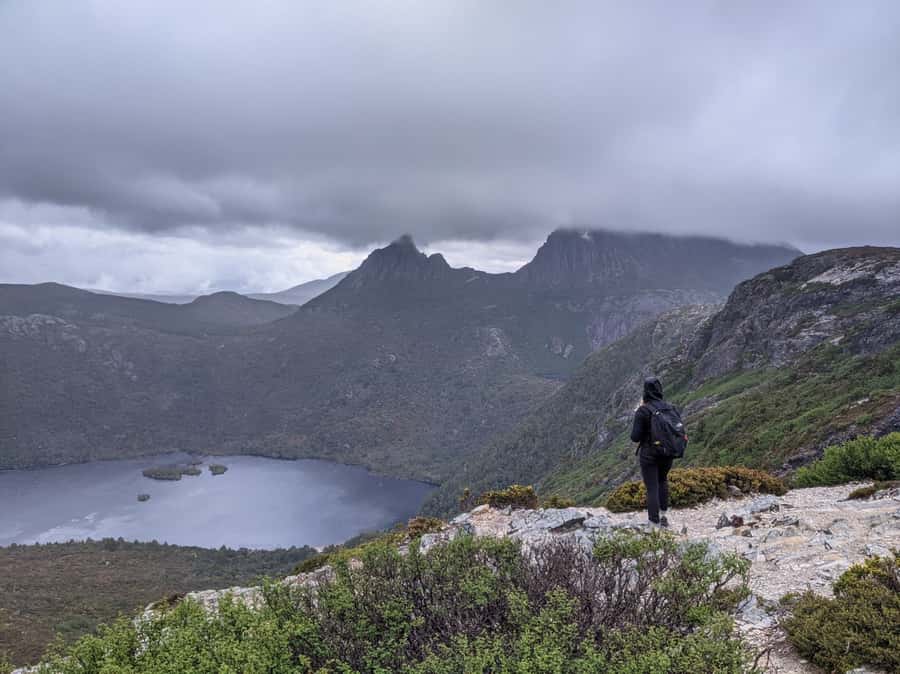
Cradle Mountain National Park is a must for a reason. The scenery is glacial-carved and alpine, and the area is set up for wildlife watching—so keep your eyes open for wombats and echidna when conditions are good.
This day is also about hiking options. You can choose something classic like the Dove Lake circuit (often described as a 2–3 hour, 6 km hike with more steps and rougher surfaces), or pick a higher-effort view like the track to Marion’s Lookout. If you’re newer to hikes, I’d use the guide’s guidance to select the option that keeps you comfortable and confident.
On the drive to Launceston, you’ll stop in Sheffield, known as the Town of Murals. It’s a light, colorful break from big hiking energy and gives you a taste of Tasmania’s quirky small-town personality.
Launceston to Bicheno: Cataract Gorge wallabies and Bay of Fires white-sand magic
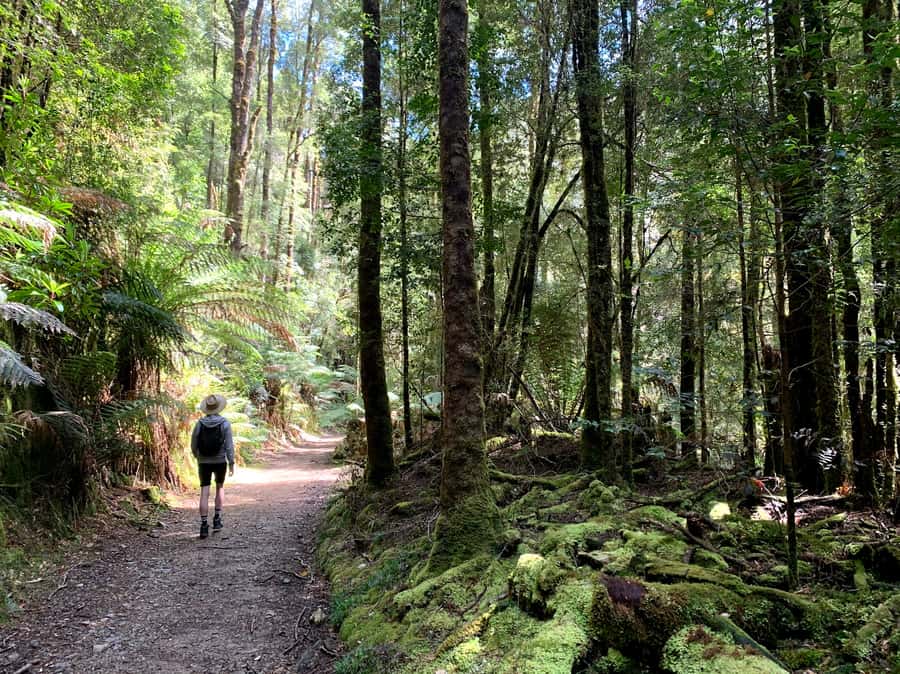
Launceston can be underrated until you see it through the right lens. Cataract Gorge is a strong spot for spotting animals, especially wallabies, and it’s a place where short walks can still feel special.
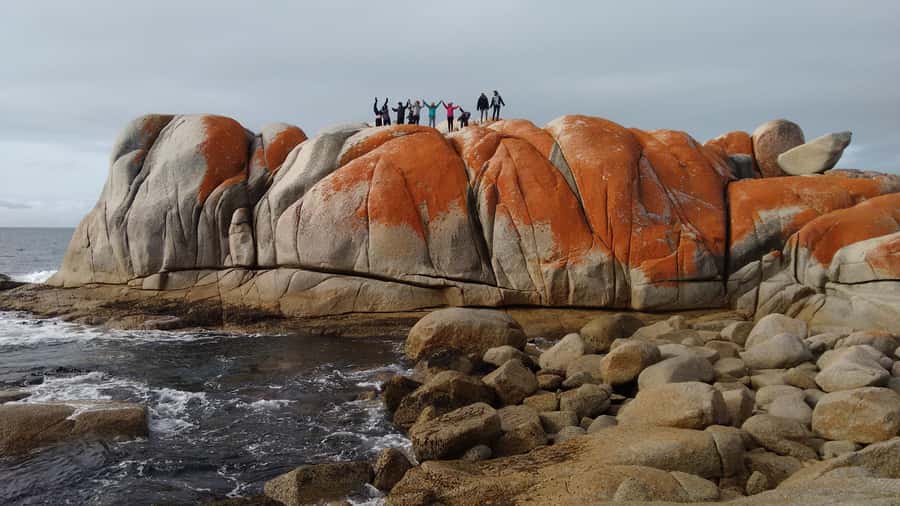
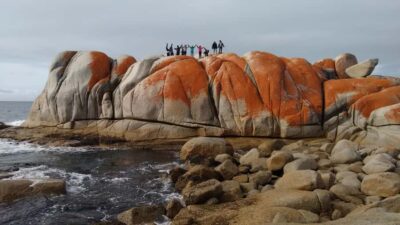
Then you head toward the Bay of Fires / larapuna—white sand, turquoise water, and those bold orange boulders. The spiritual connection to the land is covered in a way that helps you see the coastline as more than a photo background.
You’ll end the day in Bicheno, a great base for wildlife time. This is where the tour’s focus on nature connects directly to your lodging: Bicheno is associated with the chance to see little penguins, and having that overnight base makes the timing easier than if you were just passing through.
Possible drawback: the walking can still add up even when each individual hike is “short.” If your schedule outside the tour is also packed, bring a realistic rest plan for after dinner.
A few more Hobart trips to weigh before you book:
Freycinet National Park: Wineglass Bay’s payoff and Mt Amos ambition
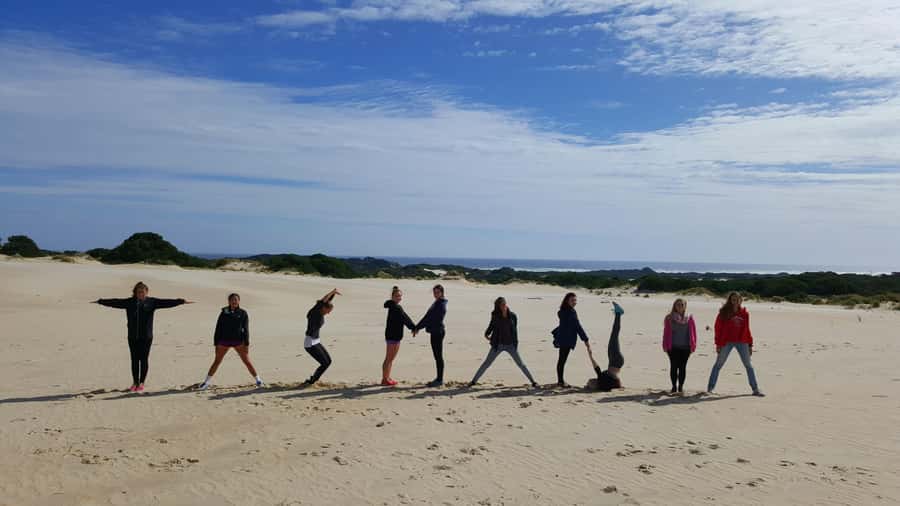
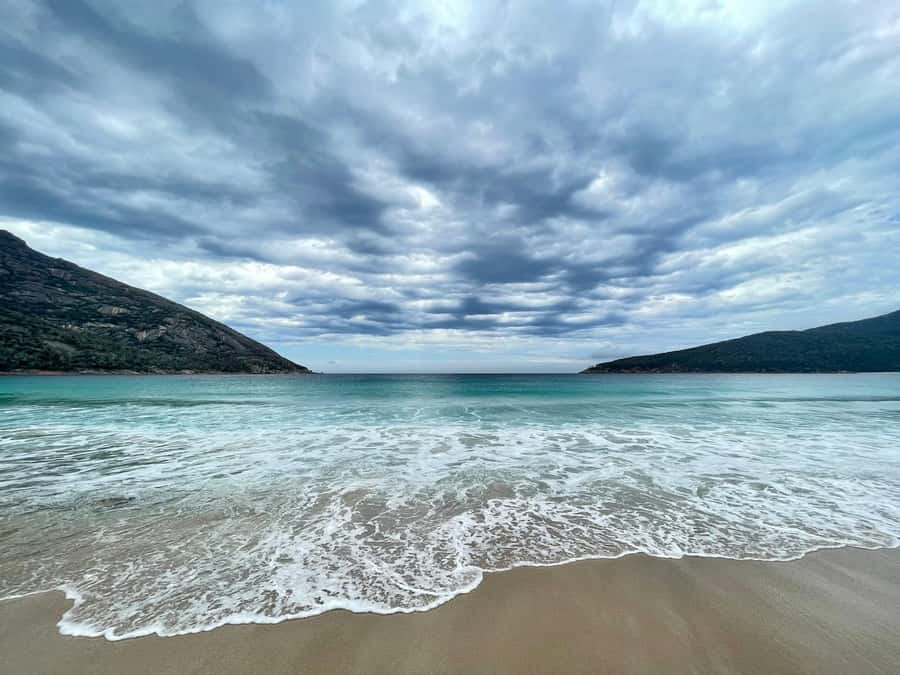
If you want one “wow” day that feels like Tasmania at full volume, it’s this one. You’ll head to Freycinet National Park, then choose your own level of intensity: a walk to Wineglass Bay or an energetic climb option like Mt Amos for bigger views.
This is also one of the rare days where the tour gives you options that match different styles. If you’re chasing iconic views without turning the day into a fitness test, Wineglass Bay is the obvious move. If you like altitude and effort-reward hiking, Mt Amos is your play.
You’ll also visit Cape Tourville lighthouse, which gives you a different angle on the peninsula’s coastal power. Then you return toward Hobart/nipaluna.
Devils, Richmond, and kunanyi: the cultural half of the trip
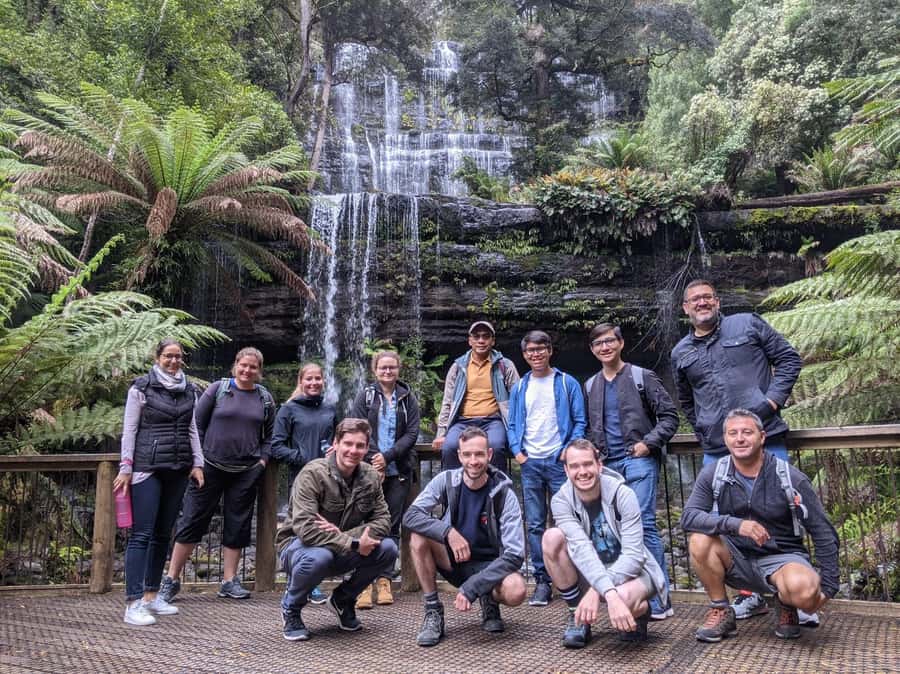
This day is a nice change of pace because it blends wildlife with heritage and city views. First stop is Bonorong Wildlife Sanctuary, where you’ll meet Tasmanian devils. This is a highlight for many people because it’s direct, guided, and easier than trying to time a wild encounter.
Next, you’ll explore Richmond Village, known for its heritage atmosphere. Even if you’re not a history fanatic, this kind of stop helps you understand the island’s human side instead of treating the trip as only “scenery and animals.”
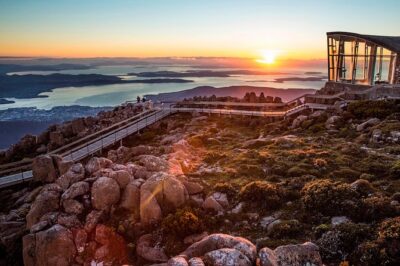
Back in Hobart, you’ll visit Mount Wellington / kunanyi, which is a great way to see the city and coast from above. And if you want flexibility tonight, you’ll get guidance on where to eat or where to grab groceries.
Possible drawback: Hobart evenings are free, but you’ll still have an early start. If you’re staying up late in a hostel dorm, it can make the next morning less fun.
Tasman Peninsula and Port Arthur: convict history plus Crescent Bay walking
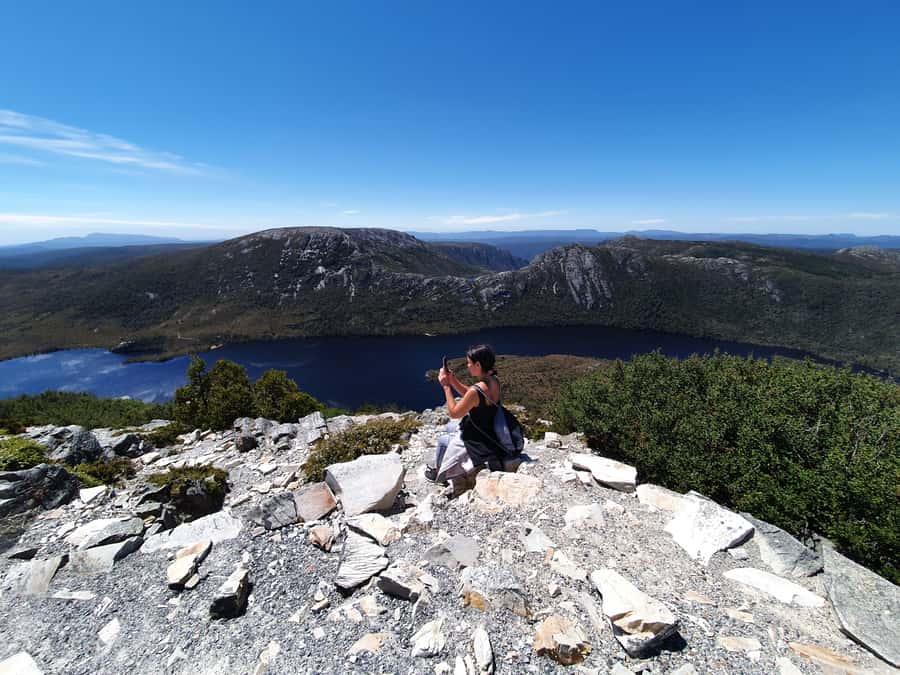
You end with Tasmania’s convict story at full intensity. Port Arthur is one of Australia’s best-preserved convict settlements, and entry is included, along with a harbor cruise. The cruise adds context fast—you’re seeing the water, the coastline, and why this site worked the way it did.
Then you head to the Tasman Peninsula / turrakana for rugged coastal scenery. You’ll take a walk to Crescent Bay, which balances the heavy history with a dose of open air. It’s an important rhythm shift: after museums and buildings, you need a place where your eyes can wander and your brain can reset.
What the guide + small-group format really changes
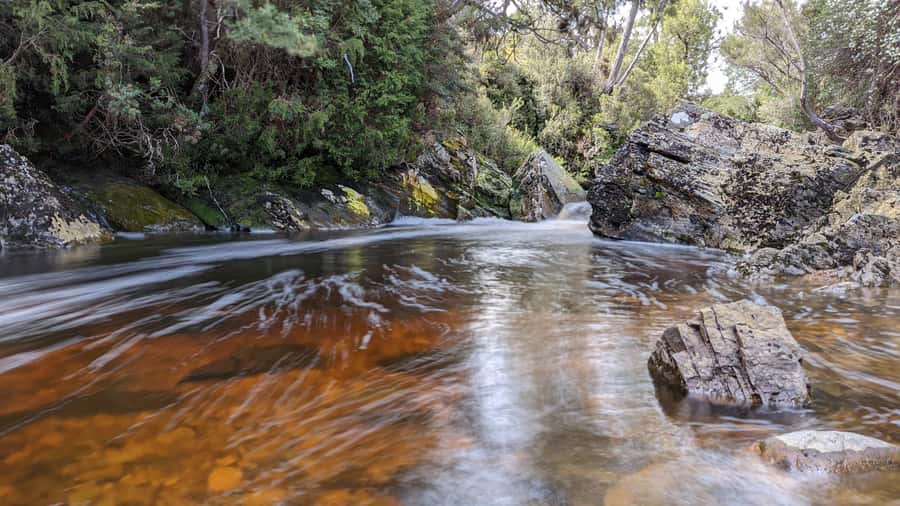
A “highlights tour” can still feel flat if the guide is purely mechanical. Here, the standout theme is how people describe the guide as a driver of the entire vibe: warm group energy, good timing, and a sense of safety without turning it into a strict drill.
You’ll also notice this in how walks are handled. Even when hikes are classified easy to moderate, the guide typically explains difficulty so you can choose confidently. That matters if you’re in your 60s, or if you’re new to hiking and want to enjoy the hike instead of suffering through it.
It’s also worth noting that some departures have different guides for different sections—recent groups have referenced guide changes after the first five days. That usually isn’t a dealbreaker, but if consistent guiding style matters to you, it’s something to be aware of.
Price and value: what $973 covers (and what to budget)
At $973 per person for 7 days, the value comes from what’s already folded in. You’re paying for:
- Transportation across Tasmania
- 6 nights of lodging in motel or hostel
- Guided commentary
- Guided walks and optional self-guided walking
- National park entry fees
- Bonorong Wildlife Sanctuary entry
- Port Arthur Historic Site entry + harbor cruise
- Pickup and drop-off from centrally located Hobart hotels/hostels
Food and drinks aren’t included, so you’ll want a daily budget for breakfast/lunch/dinner. Also, an optional Gordon River Cruise costs extra if you choose it.
This is the kind of tour that can be smart value if you want the “best hits” without needing to drive rental cars, map routes, book park entries, and coordinate guides at multiple places. If you already love DIY travel and don’t mind driving, you might find cheaper options on paper—but you’ll usually lose the included guides, park coverage, and the logistical glue that keeps everything moving.
Packing and pacing: how active is it, really?
This is an active tour with short walks most days. Most hikes are classed easy to moderate, and many walks are optional. Example comparisons include:
- Russell Falls: about 25 minutes return, roughly 1.4 km, mostly flat and step-light.
- Dove Lake circuit: 2–3 hours and around 6 km, with rougher surfaces and many steps.
If you can handle uneven ground and a few hours of walking at least occasionally, you’ll likely enjoy it. If you’re dealing with back problems or mobility limits, the tour is explicitly not suitable.
For packing, stick to the basics Tasmania demands: warm clothing, hiking shoes, jacket, long pants, sunscreen, and a daypack. Add swimwear and a towel since days around bays and beaches are in the mix. And yes—bring layers even when it looks nice, because weather shifts are part of island life.
Who this tour is for (and who should skip it)
I think this works best for people who want a structured way to see Tasmania’s top nature + history with minimal stress. You’ll like it if you enjoy guided walks, wildlife encounters, and you want enough downtime at the end of each day to actually enjoy your evening.
It may not suit you if you:
- need a very low-activity vacation
- have mobility impairments or significant back issues
- travel with very young kids (it’s not suitable under age 8)
Also, be realistic about seating comfort. One review mentioned tight seating for a taller traveler, so if you’re tall or sensitive to cramped vehicles, consider that before you commit.
Should you book this West to East Tasmania tour?
I’d say book it if you want the “big Tasmania” sweep in a week and you’d rather spend energy on the hikes than on logistics. The included pieces—park fees, Port Arthur entry plus harbor cruise, Bonorong devils, and a guide who helps you choose walk difficulty—make the price feel more reasonable than it looks at first glance.
I’d hesitate if you’re chasing a slow, independent pace, or if long driving days and daily walking sound like too much. In that case, you’d be happier with a shorter, more focused Tasmania plan.
FAQ
What places will this 7-day Tasmania tour include?
You’ll visit and/or walk around Mount Field National Park (including Russell Falls), Strahan, Cradle Mountain National Park, Launceston (including Cataract Gorge), Bay of Fires / larapuna near Bicheno, Freycinet National Park (including Wineglass Bay and/or Mt Amos options), Hobart (including Mount Wellington / kunanyi), Bonorong Wildlife Sanctuary, Richmond Village, and Port Arthur plus the Tasman Peninsula (including Crescent Bay).
Where does the tour start and end?
The tour pickup and drop-off are in centrally located Hobart city locations, and the itinerary returns you to Hobart at the end.
How much does the tour cost?
The price listed is $973 per person for the 7-day tour.
What’s included in the price?
Included items are transportation, 6 nights accommodation (motel or hostel), guided commentary, guided walks, national park entry fees, Bonorong entry, Port Arthur Historic Site entry and harbor cruise, and Hobart city pickup/drop-off.
What is not included?
Not included are food and drinks, airport pickup, the optional Gordon River Cruise, and travel insurance.
What kind of accommodation will I stay in?
You can choose between motel (private rooms with ensuite bathrooms) or hostel (same-gender dorm rooms, or private rooms with shared same-gender bathrooms).
Are the walks difficult?
The tour is active with short walks every day. Walks are generally easy to moderate, and most walks are optional. You’ll be able to choose from options such as Russell Falls (easy) and Dove Lake circuit (moderate with steps/rough surfaces).
Is there a luggage limit?
Yes. You can bring up to 20kg of luggage, stored in a trailer on travel days.
Where is pickup available in Hobart?
Pickup is available from centrally located Hobart hotels/hostels. It’s not available from Airbnbs and private residences, but you can contact the local partner to confirm the closest convenient pickup point if you’re outside the pickup area.
What’s the cancellation window?
The tour offers free cancellation up to 14 days in advance for a full refund.
If you tell me your hiking comfort level (easy only vs. okay with 2–3 hour trails), I can suggest which days you’ll likely want to push harder and which ones you should take easy.
More Tours in Hobart
- Bruny Island Food, Sightseeing, Guided Lighthouse Tour & Lunch
★ 5.0 · 2,989 reviews - Full-Day Guided Bruny Island Tour from Hobart
★ 5.0 · 1,331 reviews - kunanyi/Mt Wellington Explorer Bus- Return Tour (2.5 hours)
★ 5.0 · 1,249 reviews - From Hobart: Full-Day Bruny Island Tour with Guide
★ 4.7 · 755 reviews - Day Tour in Mt. Field, Mt. Wellington, Bonorong Wildlife Sanctuary and Richmond
★ 5.0 · 735 reviews
More Tour Reviews in Hobart
- Bruny Island Food, Sightseeing, Guided Lighthouse Tour & Lunch
★ 5.0 · 2,989 reviews - Full-Day Guided Bruny Island Tour from Hobart
★ 5.0 · 1,331 reviews - kunanyi/Mt Wellington Explorer Bus- Return Tour (2.5 hours)
★ 5.0 · 1,249 reviews - Hobart: kunanyi/Mt Wellington Explorer Bus Pass
★ 4.8 · 848 reviews - Bruny Island Traveller – Gourmet Tasting and Sightseeing Day Trip from Hobart
★ 5.0 · 786 reviews
Multi-Day Tours of Tasmania
- From Hobart: 5-Day Tasmania West & East Coast Tour
★ 4.9 · 369 reviews - 5-Day Best of Tasmania Tour from Hobart
★ 5.0 · 184 reviews - Tasmania 8 Day – Tour in Circle
★ 5.0 · 177 reviews - 4 Day Wild Tasmania Tour / Wildlife, Nature, Hiking / Inc. Accom
★ 5.0 · 126 reviews - 7-Day Super Value Tour of Tasmania: Explore Tasmania’s West and East Coasts
★ 5.0 · 77 reviews
Just Added: Fresh Hobart and Tasmania Reviews





Multi-Day Tasmania Tours, compared.
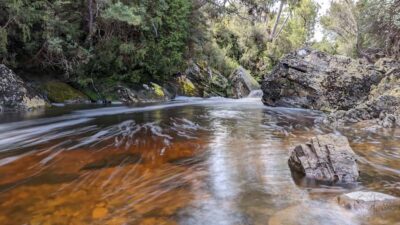 ★ 4.95-Day Tasmania West & East Coast TourFrom $683369 reviews
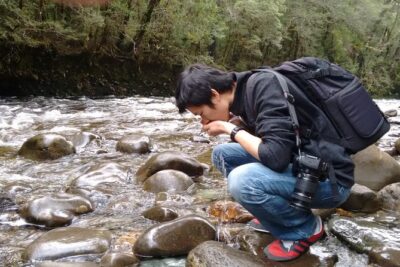 ★ 5.05-Day Best of Tasmania Tour from HobartFrom $728184 reviews
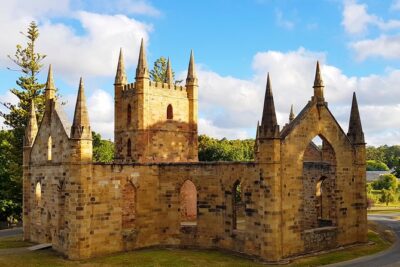 ★ 5.0Tasmania 8 Day – Tour in CircleFrom $2,721177 reviews
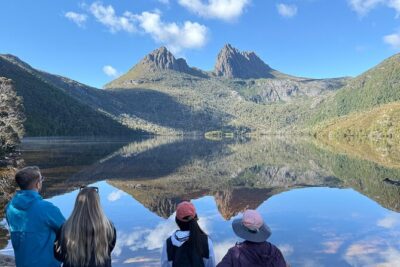 ★ 5.04 Day Wild Tasmania Tour / Wildlife, Nature, Hiking / Inc. AccomFrom $713126 reviews
 ★ 5.07-Day Super Value Tour of Tasmania: Explore Tasmania’s West and East CoastsFrom $1,03877 reviews
 ★ 5.06-Day Tasmanian Explorer Adventure Tour from HobartFrom $88766 reviews
 ★ 4.6Tasmania: Wilderness and Wildlife Guided 6-Day TourFrom $83160 reviews
 ★ 5.03 day Tasmanian highlights tour – Hobart, Port Arthur and Bruny IslandFrom $33741 reviews
Browse the lists this tour appears in