
Reviewed · PORT ARTHUR & THE TASMAN PENINSULA
From Port Arthur: Tasman Island Wilderness Cruise
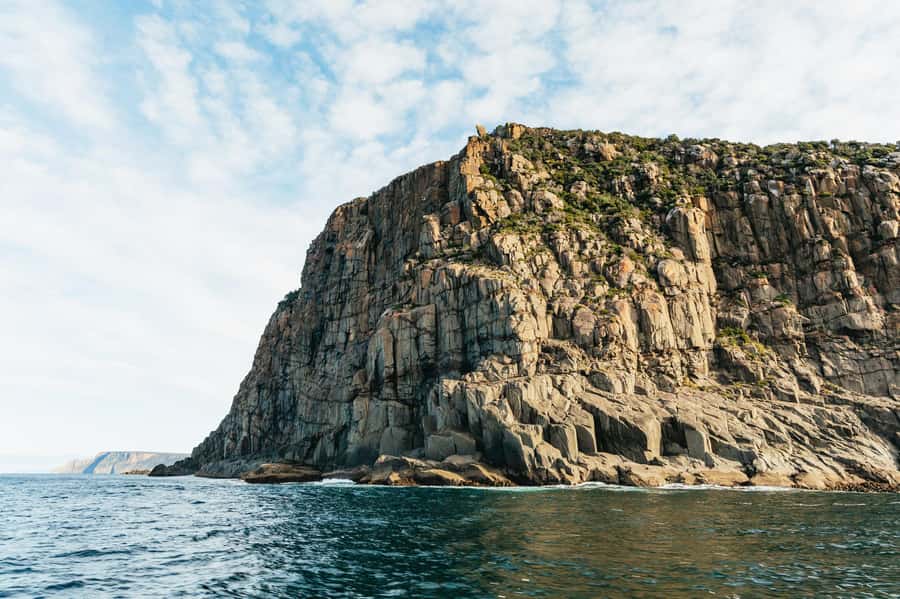
Sea cliffs, seals, caves, and cold wind. This 3-hour Tasman Island Wilderness Cruise from Port Arthur takes you along the coast of Tasman National Park beneath the highest sea cliffs in the Southern Hemisphere, with a real shot at hundreds of seals plus dolphins and migrating whales. One thing to plan for: it can be icy on the water, and you may get sprayed, so bring real warmth.
I like how the trip stays focused on what matters in southern Tasmania: close-up geology and wildlife, not long detours. The cruise runs daily, so even if weather changes your best viewing chances, you still have options that day.
In This Review
- Key things to know before you go
- Why this cruise feels different from a standard sightseeing boat
- The coastline game plan: Cape Pillar to Tasman Island
- Cape Pillar: the cliff moment
- Tasman National Park coast: waterfall, blowholes, and cave country
- Tasman Island area: where wildlife and rock features overlap
- Wildlife viewing that’s actually worth your attention
- Seals: usually the easiest win
- Seabirds: feeding activity can be fast and loud
- Dolphins and whales: “if they’re there, you’ll know”
- The boat setup: open-air tiered seating and close viewing
- What the cruise is like in practice (timing, pace, and comfort)
- Guides and the “how” behind the scenes
- Price and value: what you’re paying for (and what you’re not)
- Who this cruise suits best
- Should you book the Tasman Island Wilderness Cruise?
- FAQ
- How long is the Tasman Island Wilderness Cruise?
- What’s the meeting point?
- How much does it cost?
- What wildlife might I see?
- What should I bring for the tour?
- Is there a minimum age?
Key things to know before you go
- Cape Pillar sea cliffs: you cruise under some of the tallest vertical coastal cliffs in the Southern Hemisphere.
- Caves, archways, and blowholes: the route is built around dramatic rock features along the national park coastline.
- Wildlife on repeat: seals are common, and you might also see diving seabirds, dolphins, and migrating whales.
- All-weather viewing setup: open-air tiered seating helps you see across the boat without blocking each other.
- Fast, close-to-the-water pacing: you move quickly enough for spray and wind, even when it looks calm from shore.
Why this cruise feels different from a standard sightseeing boat
A 3-hour cruise sounds short until you’re actually out on the Great Southern Ocean, where the scenery and the animals keep changing every few minutes. This one works because it stays close to the action: the coastline between Port Arthur and Eaglehawk Neck is rugged, and the boat route follows that ruggedness instead of treating it like a background view.
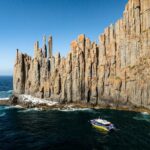
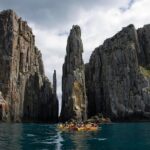
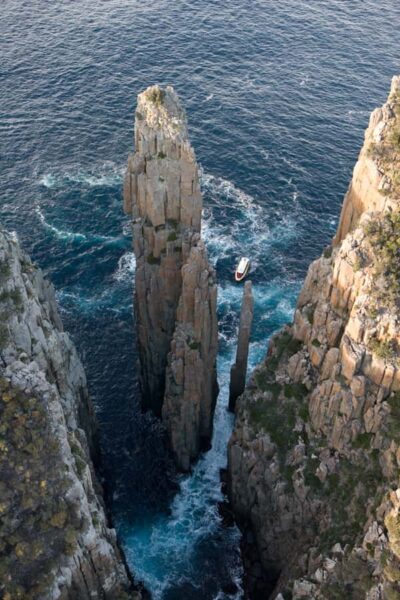
The big draw is how physical the place feels. At Cape Pillar, you don’t just look at cliffs from a distance—you’re sailing beneath the vertical rock face. That scale does something to your sense of place, and you feel it in your body as the boat tracks along the edge of the sea.
Then there’s the wildlife element. You’re not waiting for a single “event.” You can encounter cliff-nesting seabirds, seals resting on rock ledges, and chances at dolphins or whales depending on where the ocean life is active that day. It’s that mix—geology plus wildlife—that makes the time fly.
More of the Port Arthur Historic Site and the Tasman Peninsula
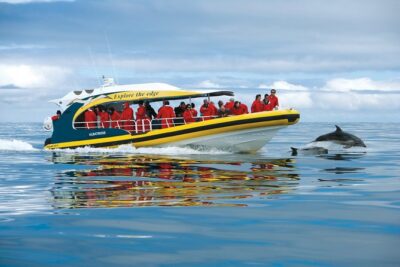

The coastline game plan: Cape Pillar to Tasman Island
Here’s the flow of what you’re likely to experience, even though exact conditions can affect how the captain works the route.
Cape Pillar: the cliff moment
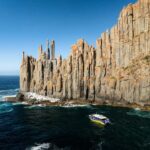
Cape Pillar is the anchor point. You’ll cruise along the coastline near these massive vertical sea cliffs, and the goal is to put you in a position where you can take in the height and the shape of the rock. This is also the part of the trip that tends to impress even if you’ve seen plenty of coastal scenery before. The cliffs are on a different scale.
Practical tip: dress for wind and spray before you worry about photos. If you’re cold or wet, your camera hand slows down. I’d rather you catch the moment and stay comfortable than rush through it.
Tasman National Park coast: waterfall, blowholes, and cave country
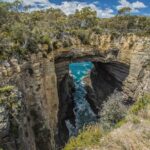
A lot of the drama comes from rock features that only show themselves when you’re close to the shoreline. The cruise goes through sections where you can see deep sea caves, archways, waterfalls, and blowholes along the national park coastline. Sometimes you’ll notice these features because the ocean pushes through the rock in a way that’s visually obvious—other times it’s more about the texture and shape of the cliff face.
You’ll also hear more from the captain and guide as you go. The best viewing comes when you pay attention to what they point out and when they say they’re adjusting the route for conditions and sightings.
Tasman Island area: where wildlife and rock features overlap
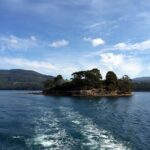
Tasman Island is where the cruise feels especially “wilderness.” You’re cruising through a coastal ecosystem where the sea birds and seals treat the cliffs like a neighborhood. Depending on the day, you may see albatross, gannets, sea eagles, and other seabirds wheeling and feeding along the wind.
One review detail I found useful: the captain and crew will sometimes change course to improve the odds of whales and dolphins if they appear. That’s the difference between a strict “look-but-don’t-touch” sightseeing trip and a wilderness-style cruise built around live nature.
More hours out on the water
- Hobart: Port Arthur, Harbor Cruise and Isle of the Dead Tour
★ 4.8 · 157 reviews - Port Arthur: Cape Raoul Wilderness Cruise
★ 4.8 · 80 reviews - Cruise Ship – Port Arthur Shore Excursion – Hobart
★ 4.4 · 16 reviews - 90 minute Cape Raoul Cruise and Port Arthur Historic Site entry
★ 5.0 · 8 reviews
Wildlife viewing that’s actually worth your attention
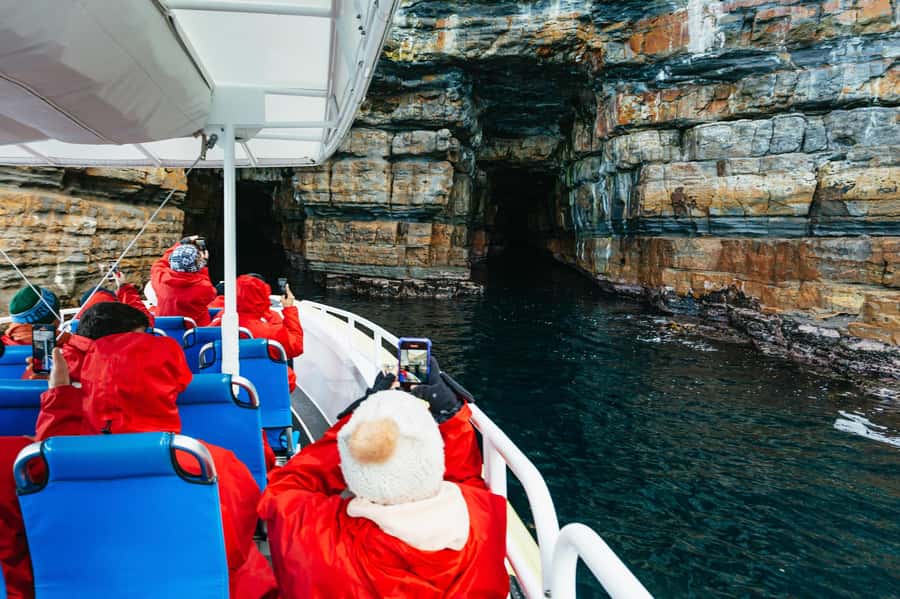
This isn’t a boat where you wait politely for a distant dot in the water. The cruise is set up for frequent wildlife moments, and the chances improve because the route targets good habitat areas along the cliffs.
Seals: usually the easiest win
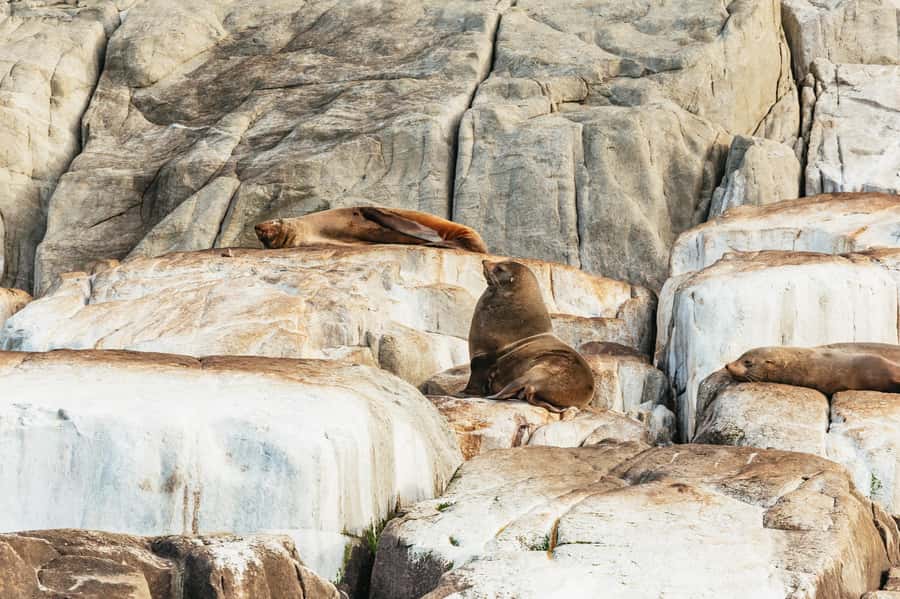
Hundreds of seals are part of the promise, and that’s consistent with the way the coastline is built. Seals rest near shore where you can spot them without specialized gear. When the boat slows or adjusts position, you often get a better look at how many seals are present at once and what they’re doing—lounging, watching, or shifting along the rocks.
Tip: watch the rocks as much as the water. Seals spend a lot of time above the waterline, and it’s often the cliffs themselves that give them away.
Seabirds: feeding activity can be fast and loud
If you enjoy nature that feels alive, pay attention to seabird feeding behavior. You can see diving gannets, albatross, and sea eagles on the wind, plus cliff-nesting birds such as cormorants and peregrine falcons. When birds feed in numbers, it changes the whole mood of the cruise. The motion of the birds looks effortless—until you realize how many of them are involved.
If you’re hoping for a calm, quiet wildlife experience, bring the expectation that the ocean and the boat are part of the soundtrack. One person noted commentary can be hard to hear from certain seats, especially up toward the front. If you want your own quiet moments, choose a seat where you can still see well but don’t have to strain for every word.
Dolphins and whales: “if they’re there, you’ll know”
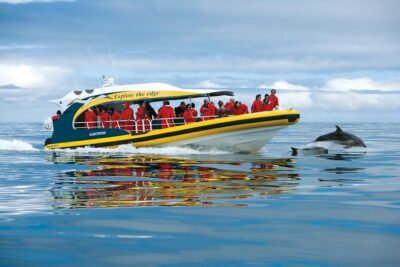
Dolphins are a common highlight on this trip, including moments where they surf the bow wave. Whales come through as a possibility tied to the day’s conditions, including migrating whales. When whales show up, the crew’s aim is to give you a good viewing run without turning the experience into chaos.
I’d plan to be flexible in your expectations. This is nature on the move, not a theme-park guarantee. Your best “strategy” is to bundle comfort with attention—stay warm enough that you can keep looking instead of retreating inside the cabin you don’t have.
The boat setup: open-air tiered seating and close viewing
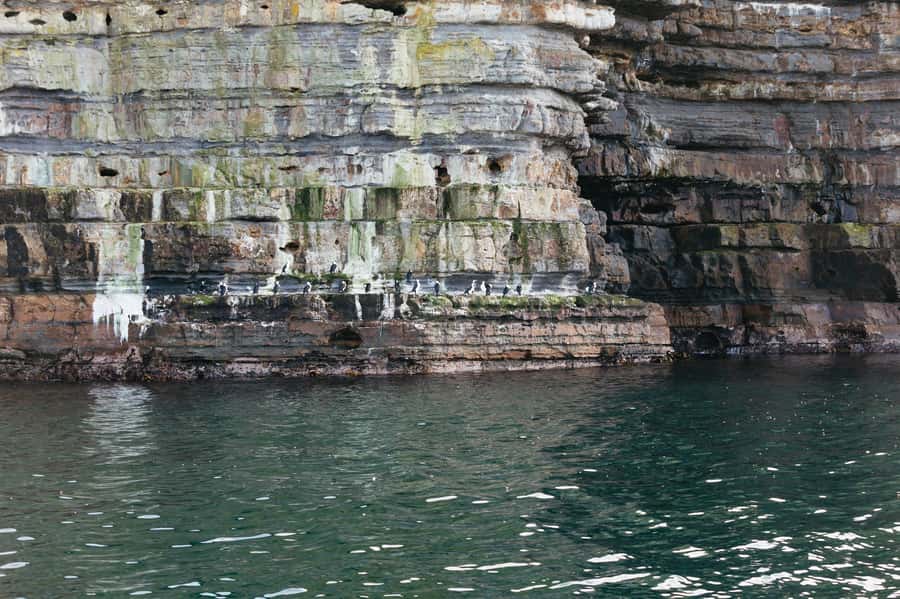
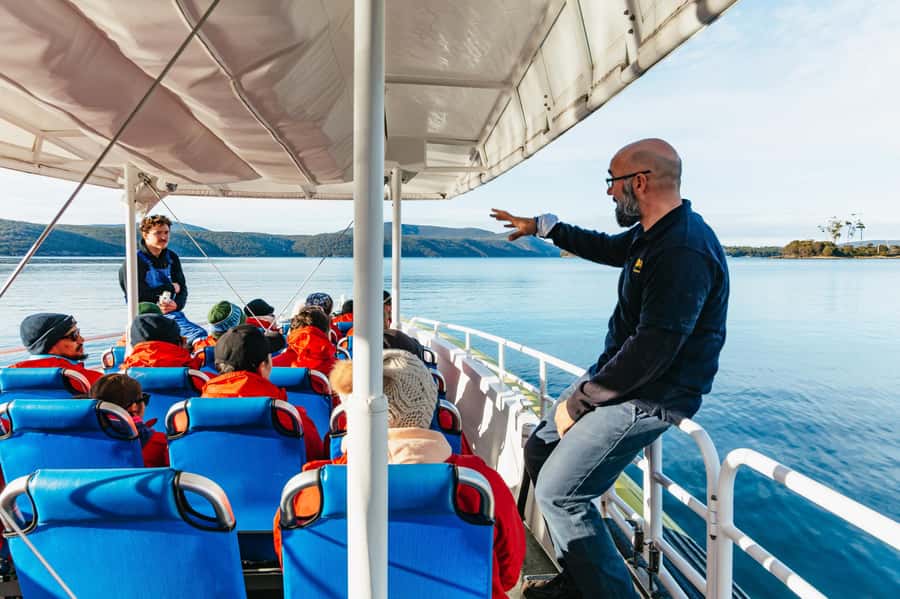
This cruise uses a vessel with open-air tiered seating, which is a big deal for viewing. It reduces the classic problem where taller people block your view, because each row is positioned to see over the one in front.
Expect some weather exposure. The wind off the water is real, and spray can reach your seat depending on where you sit and how the boat handles swell. If you’re sensitive to motion, sit where you feel steadier and follow crew advice.
Also, you might see the sailing style described as fast and close to the action. That’s part of the experience. You’ll feel the movement more than on large, slow ferries, and that’s exactly why the coast and caves feel close-up.
What the cruise is like in practice (timing, pace, and comfort)
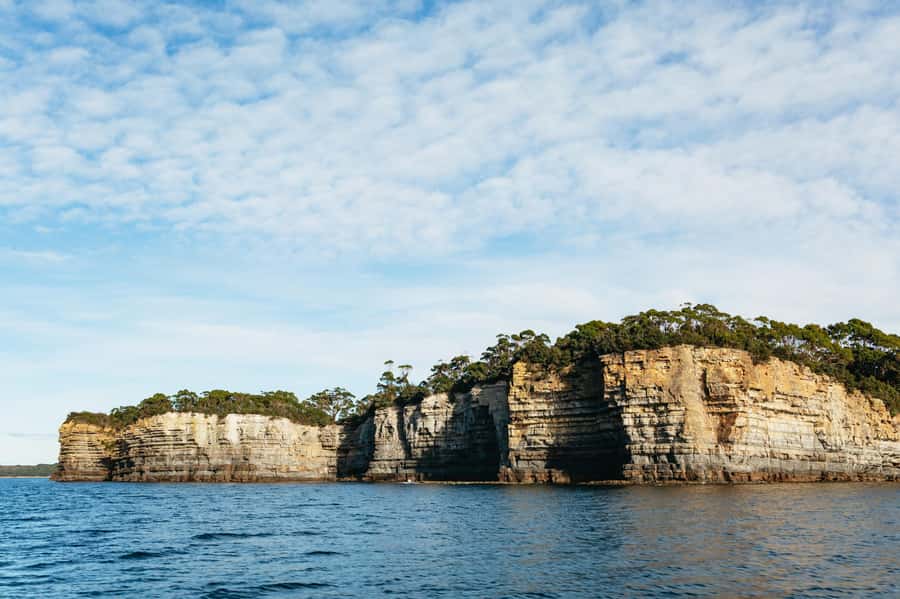
You’re on the water for about 3 hours, which makes it a great fit on a day when you want a memorable activity without losing your whole schedule. The trip departs daily, so it’s easier to match with your overall Port Arthur and Tasman Peninsula plans.
What I’d watch for is how the timing interacts with conditions. Calm seas can mean a smoother, more relaxed ride and more consistent sightings. Rougher conditions can still produce good wildlife moments, but the ride can be more intense.
The key comfort point, repeated across many experiences: layer up. You’ll want warm clothing, gloves, and thermal layers. A full body hooded raincoat is provided to protect you from off spray, and waterproof gear matters more than you might expect because cold wind can cut fast once you’re moving.
Guides and the “how” behind the scenes
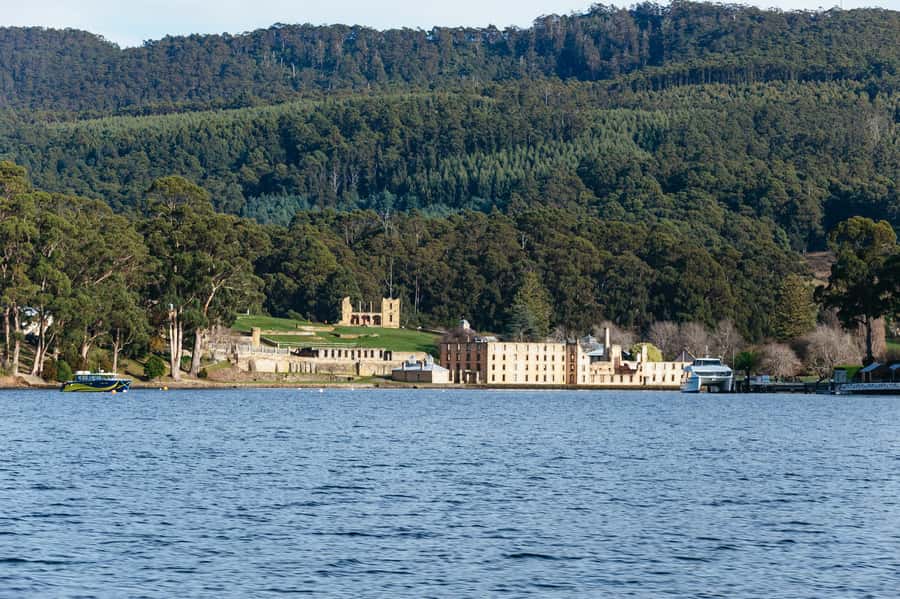
The cruise runs with a real crew focus on safety and positioning. You’ll usually have two staff roles on deck: one doing the driving and one helping manage passenger comfort and safety.
The 505-review favourite is Melbourne national park trips.
From the names shared in real-world operation stories, you might encounter captains and guides such as Tim and Damo, or Andrew and Tom, and hosts like Hamish and Kane. The common thread is clear: they spend time answering questions and adjusting the boat’s approach to maximize what you can see—especially when animals are actively feeding.
One small but useful note: sitting closer to the front can change how you hear the commentary. If you want both good sound and great sightlines, choose a seat that balances visibility with comfort and doesn’t force you to lean or strain.
Price and value: what you’re paying for (and what you’re not)
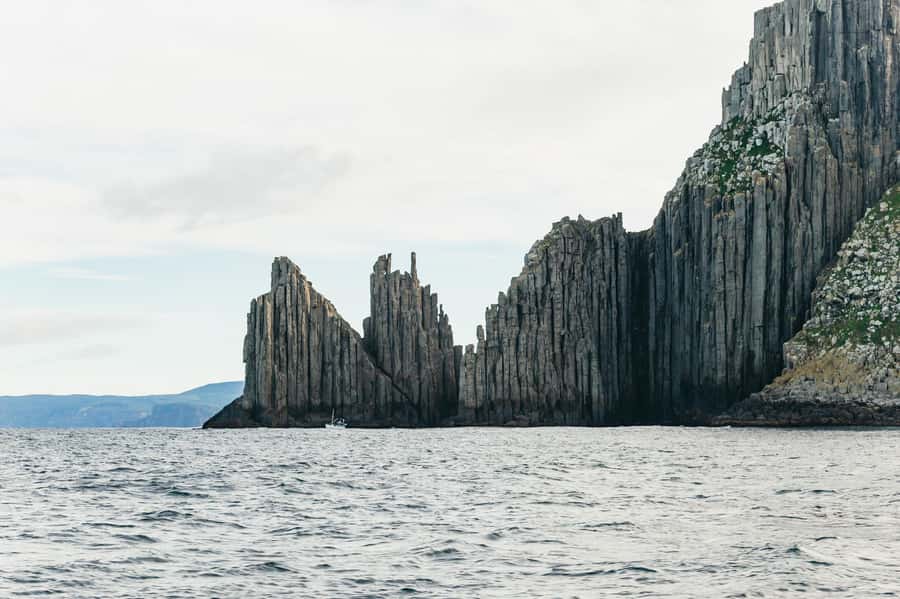
At $127 per person, you’re paying for a short, high-impact wildlife-and-coastline experience focused on the Tasman National Park coast and Tasman Island area. This cost isn’t just about “being on a boat.” You’re paying for:
- time out on the water in a smaller craft that stays close to the action
- guidance that helps you interpret what you’re seeing
- the chance to see multiple kinds of wildlife in one trip—seals plus seabirds, and sometimes dolphins or whales
The value question comes down to your tolerance for weather and your interest in nature that changes moment by moment. If you’re comfortable layering up and paying attention, this is exactly the kind of activity that feels worth the money because it’s never just one view. You get many micro-moments over those 3 hours.
Given the very strong overall rating and high satisfaction count, this cruise clearly lands with people who want authentic coast-and-wildlife time rather than a checklist of stops.
Who this cruise suits best
This is a strong match if you:
- want rugged coastal geology up close (cliffs, caves, archways)
- love wildlife sightings that can start fast and shift throughout the ride
- don’t mind wind and spray if it means better viewing
It might be less ideal if you want a gentle, slow-moving cruise where you stay dry and warm the whole time. This one feels like wilderness travel: quick, exposed, and driven by what the sea is doing right then.
Motion-sickness prone? Plan for it. Some people advise taking sea sickness medication before going out, and that’s easy to follow. If you need extra help, it’s worth asking about sea-sickness options they may offer before departure.
Should you book the Tasman Island Wilderness Cruise?
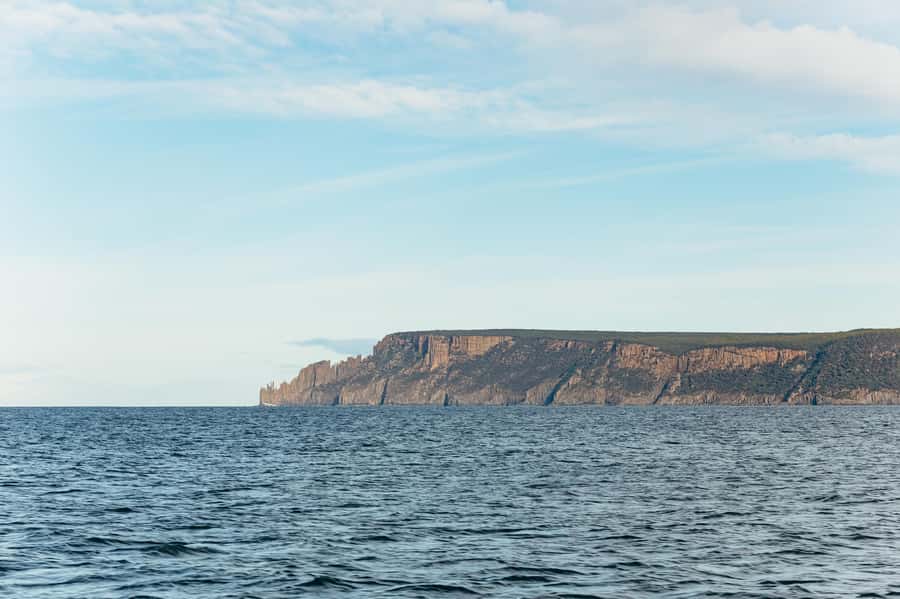
I think you should book if you’re doing the Port Arthur or Tasman Peninsula area and you want one activity that gives you both geology and wildlife in a short window. It’s especially worth it when you’re the type who can get excited by seals, seabirds, and the possibility of dolphins or whales.
Book it confidently if you’re willing to dress for a cold, wet, windy boat ride and you like being outside with your eyes up. Skip it or reconsider if you need a warm, slow, dry sightseeing experience.
If you want my simple rule: treat this as a nature outing first, a boat ride second, and you’ll get exactly the experience it’s designed to deliver.
FAQ
How long is the Tasman Island Wilderness Cruise?
The cruise lasts about 3 hours.
What’s the meeting point?
Meet at the Tasman Island Cruises office.
How much does it cost?
The price is $127 per person.
What wildlife might I see?
You may see hundreds of seals, thousands of seabirds, dolphins, and migrating whales. Diving gannets, albatross, sea eagles, cliff-nesting cormorants, and peregrine falcons are also possibilities depending on conditions.
What should I bring for the tour?
Bring comfortable shoes, warm clothing, gloves, and thermal clothing. The air on the water can be very cold, and you may get spray.
Is there a minimum age?
No minimum age is listed for this tour. Cruises depart daily.
More Time on the Water
- Tasman Peninsula Wilderness Cruise from Port Arthur
★ 5.0 · 285 reviews - Hobart: Port Arthur, Harbor Cruise and Isle of the Dead Tour
★ 4.8 · 157 reviews - Port Arthur: Cape Raoul Wilderness Cruise
★ 4.8 · 80 reviews - Cruise Ship – Port Arthur Shore Excursion – Hobart
★ 4.4 · 16 reviews - 90 minute Cape Raoul Cruise and Port Arthur Historic Site entry
★ 5.0 · 8 reviews
More Tour Reviews in Port Arthur
- Port Arthur Historic Site Admission and Tour Options
★ 4.8 · 509 reviews - Port Arthur Historic Site [official]
★ 4.5 · 288 reviews - Tasman Peninsula Wilderness Cruise from Port Arthur
★ 5.0 · 285 reviews - Port Arthur Ghost Tour
★ 4.0 · 214 reviews - Port Arthur Historic Site Ghost Tour
★ 4.2 · 173 reviews
The Port Arthur Historic Site
- Port Arthur Historic Site Admission and Tour Options
★ 4.8 · 509 reviews - Port Arthur Historic Site [official]
★ 4.5 · 288 reviews - Tasman Peninsula Wilderness Cruise from Port Arthur
★ 5.0 · 285 reviews - Port Arthur Ghost Tour
★ 4.0 · 214 reviews - Port Arthur Historic Site Ghost Tour
★ 4.2 · 173 reviews
Just Added: Fresh Hobart and Tasmania Reviews
Port Arthur & the Tasman Peninsula, compared.
 ★ 4.5Port Arthur Full-day Guided Tour with Harbour Cruise and Tasman National ParkFrom $121585 reviews
 ★ 4.8Port Arthur Historic Site Admission and Tour OptionsFrom $37509 reviews
 ★ 5.0Tasman Island Cruises and Port Arthur Historic Site Day Tour from HobartFrom $236477 reviews
 ★ 4.6Port Arthur & Tasman Park Full-Day Trip with CruiseFrom $120442 reviews
 ★ 5.0Port Arthur and Tasman Sights with Harbour CruiseFrom $35352 reviews
 ★ 4.8Port Arthur, Richmond & Tassie Devil – Active TourFrom $138351 reviews
 ★ 4.9Tasman Peninsula Tour, Cruise & Port Arthur Historic SiteFrom $233339 reviews
 ★ 4.5Port Arthur Historic Site [official]From $38288 reviews
Browse the lists this tour appears in