
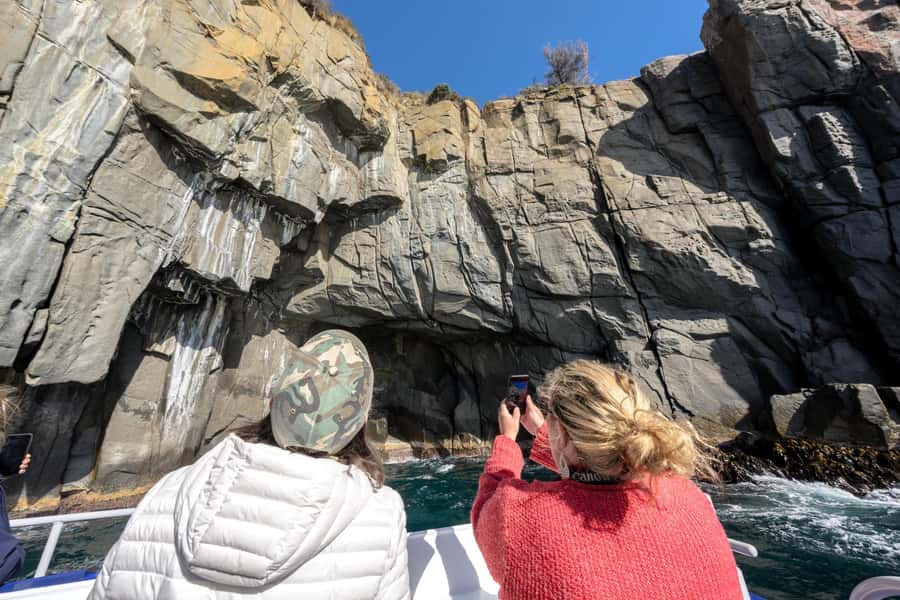
Reviewed · PORT ARTHUR & THE TASMAN PENINSULA
From Hobart: Port Arthur Cape Raoul Wilderness Cruise
That coastline can steal your attention fast. This day trip pairs a 90-minute wilderness cruise with time at Port Arthur Historic Site, so you get both ocean drama and a major Tasmanian landmark.
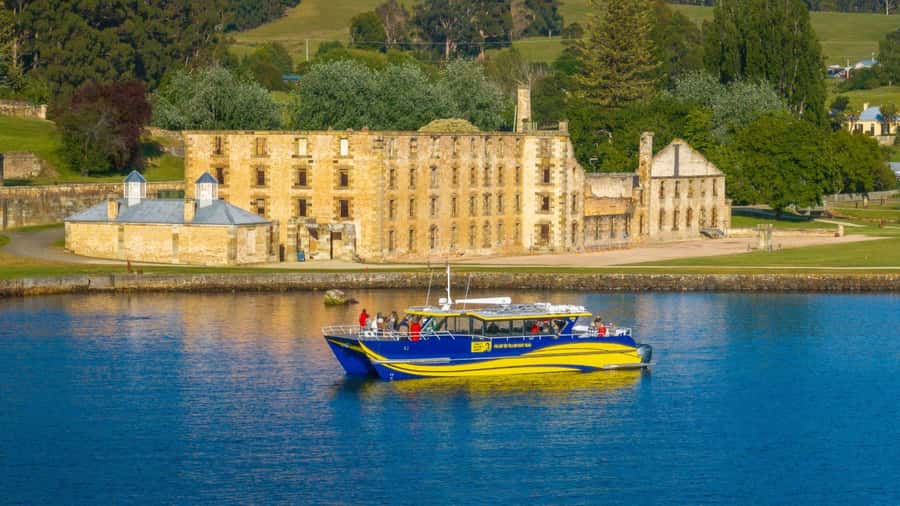
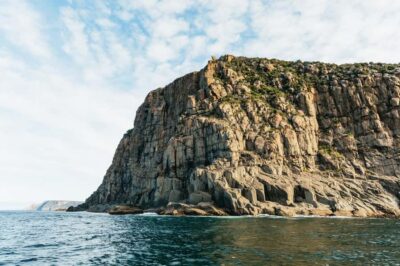
I especially like the Cape Raoul portion: towering columnar dolerite cliffs rise straight from the water, and you’ll be looking for cheeky fur seals right where the columns meet the sea. The other big win is the way the cruise route is built for viewpoints—cliffs, caves, arches, and white-sand coves—plus passes by Point Puer and the Isle of the Dead.
One thing to consider: the itinerary is a long day, and if you’re prone to seasickness, you’ll want to take that seriously. The boat ride is typically smooth in calm conditions, but weather can change fast on the Tasman Peninsula.
In This Review
- Quick hits
- A Full Day on the Tasman Peninsula With No Car Stress
- From Port Arthur Waters to Cape Raoul: How the Cruise Feels
- Cape Raoul’s Dolerite Columns: The View You’ll Remember
- White Sands and Big Dunes: Safety Cove and Crescent Bay
- Point Puer and the Isle of the Dead: Seeing History From the Water
- Port Arthur Historic Site: Entry Included, Self-Guided Time
- Wildlife Spotting: What to Watch For (and How to Increase Your Chances)
- Crew and Guides: The Day Runs Better When Someone Knows the Route
- Price and Value: Does $169 Make Sense?
- What to Bring for Tasmania Weather and a Real Boat Ride
- Who This Tour Suits Best (and Who Might Want to Rethink It)
- Final Call: Should You Book the Hobart to Cape Raoul Cruise?
- FAQ
- How long is the Hobart to Port Arthur Cape Raoul tour?
- What’s included in the price?
- Is food or drinks included?
- Where do I meet the tour?
- What should I bring?
- What if I get seasick?
Quick hits
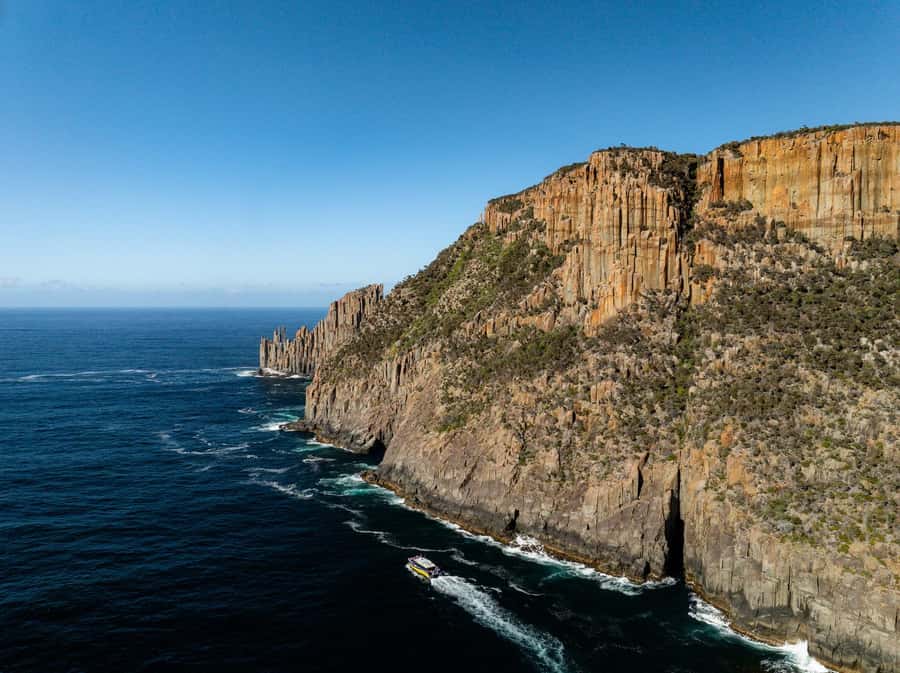
- Cape Raoul cliffs: 170-million-year-old dolerite columns rising over 250 meters
- Wildlife route: look for fur seals, plus dolphins, whales, and soaring birds
- Iconic stops from the boat: Point Puer, Isle of the Dead, Safety Cove, Crescent Bay
- Comfort-focused day: guided bus transfer and a 90-minute cruise with crew on hand
- Port Arthur time: entry included, but Port Arthur itself is not guided
A Full Day on the Tasman Peninsula With No Car Stress
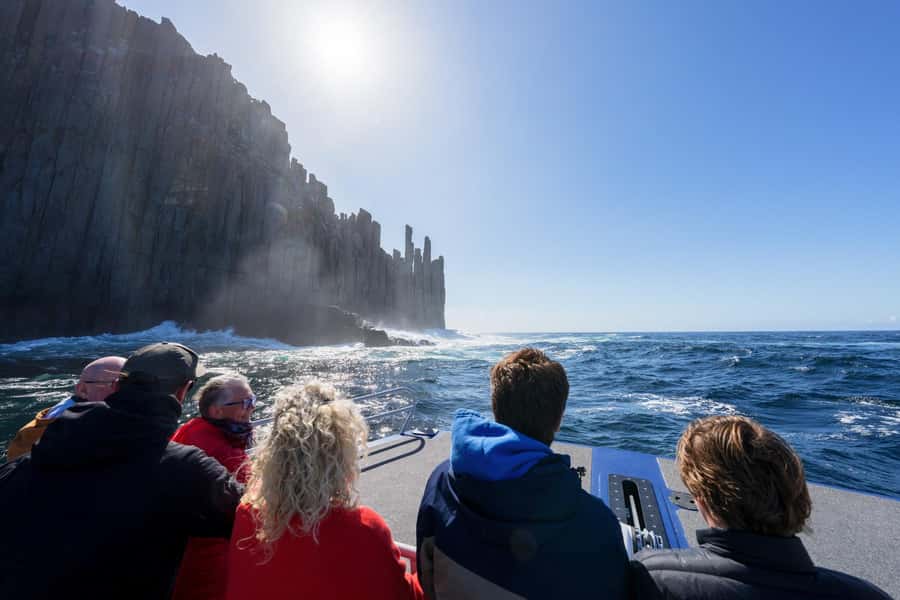
If you’re basing yourself in Hobart, the hardest part of the Tasman Peninsula is getting there and back without burning your whole day driving. This tour fixes that with a return bus transfer from Hobart, guided by a local team, so you can focus on sights instead of navigation.
You’ll start at the Pennicott Wilderness Journeys Booking Office, opposite the lifting bridge on Franklin Wharf. The best move is to arrive about 15 minutes early. It keeps things easy when the day is running on a tight schedule—especially when you’re pairing the bus ride with a cruise time window.
The whole experience is built around timing: it’s a one-day format with a 90-minute wilderness cruise from the Port Arthur Historic Site area, plus time to explore Port Arthur itself. In other words, you get a solid mix of scenery and context without needing to plan a second overnight.
More of the Port Arthur Historic Site and the Tasman Peninsula
From Port Arthur Waters to Cape Raoul: How the Cruise Feels
Once you’re onboard, the day starts shifting from “looking out at the coast” to “feeling how dramatic it is.” The Tasman Peninsula is rugged, and from the water you see why the cliffs, caves, and arches here make such an impact.
The cruise route takes you past classic coastline features and historical points, including the Point Puer and the Isle of the Dead. Even if you only know the basics, seeing them from the sea gives the place a different scale. It’s not just architecture or markers—it’s geography that shaped everything.
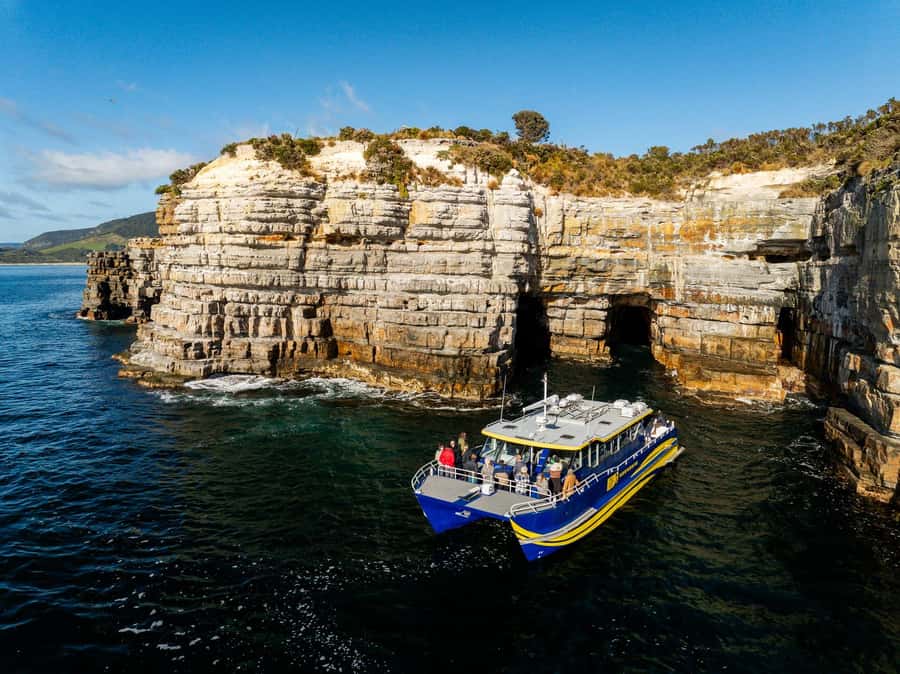
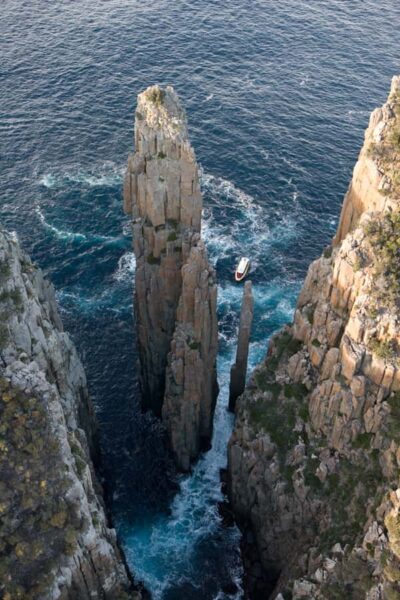
Then the scenery changes to pure geology drama. You cruise toward Cape Raoul, with Mt Brown providing a stunning backdrop as you go past West Arthur Head. This is the moment where the cruise turns from nice views into wow views. You’re looking up at columnar dolerite cliffs—and these are old in a way that’s hard to picture: about 170 million years old. The cliffs rise from the ocean’s edge over 250 meters, so your eyes keep going up and up like you’re trying to track something that never ends.
The good news: you don’t have to do anything technical. The crew and guide handle the “where to look and why” part, and your job is simply to watch the coastline and keep an eye on wildlife.
Cape Raoul’s Dolerite Columns: The View You’ll Remember
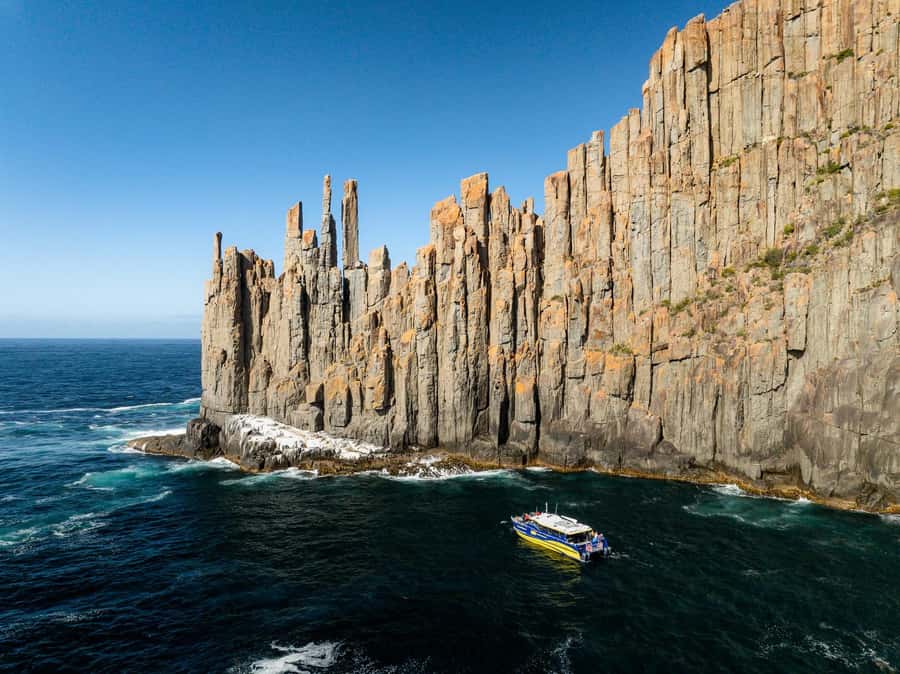
Cape Raoul is the signature. And it hits differently when you’re offshore and the sea is doing the framing.
You’ll be aiming your gaze at the base of the cliffs for seals—especially Australian fur seals, which tend to lounge along the rock edge. That’s one reason this is more than a sightseeing cruise. It’s a chance to see animals using the coastline the way it was meant to be used: as resting spots right above the waterline.
You’ll also want to look at the cliff formations themselves. The columns are dolerite, a volcanic rock type that formed long ago and later fractured into those striking vertical shapes. From the boat, it’s easier to appreciate the scale—individual “columns” become a whole wall of geology rather than a photo subject.
A practical tip: bring a camera you can quickly grab. Some of the best moments are short—like a seal popping up, or seabirds circling overhead. If the seas are even a bit choppy, consider keeping your phone/camera strapped or secured so you’re not juggling gear while trying to capture the view.
White Sands and Big Dunes: Safety Cove and Crescent Bay
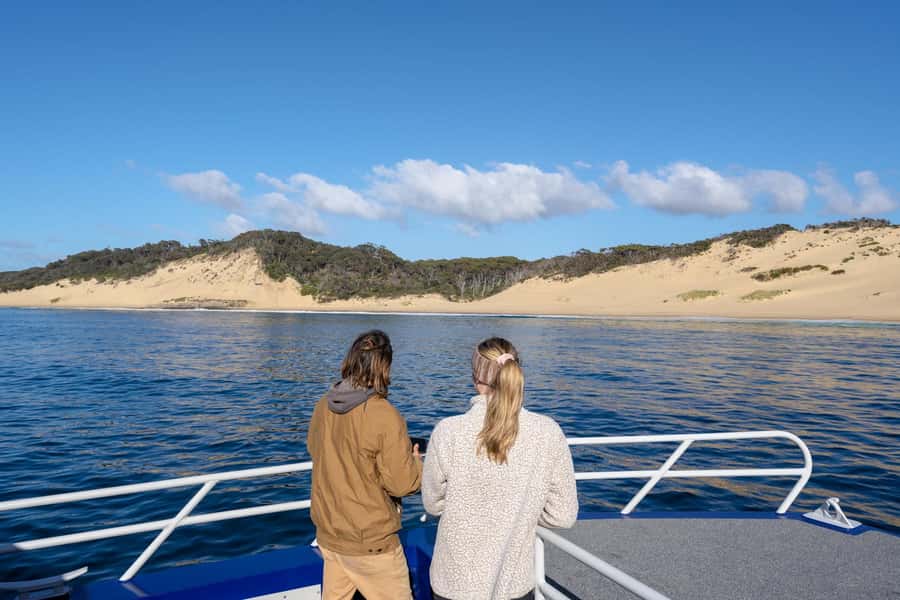
After the cliff emphasis, the cruise gives you coastal contrast. You’ll pass by the white sands of Safety Cove and the tall dunes of Crescent Bay.
This isn’t just scenic filler. The Peninsula’s coastline can look harsh and dark from afar, and these pale beaches remind you there’s another side to it—lighter color, open sandy space, and a different feel on the water. It’s also a helpful visual break after all that vertical cliff drama.
From a photo standpoint, this is often where you can get cleaner shots. When the coastline includes sand, your camera has something bright and easy to frame, and the sea surface tends to reflect light in a more forgiving way.
Point Puer and the Isle of the Dead: Seeing History From the Water
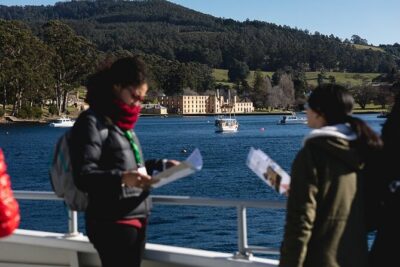
The cruise also passes significant historical sites, including Point Puer and the Isle of the Dead. These names come up often with Port Arthur, but seeing them from the sea helps you understand how isolated and exposed this part of Tasmania is.
If you’re the type who likes context before you arrive, this is a smart sequence: you’re mentally “prepped” while still on the water, which can make Port Arthur feel more connected rather than like a separate stop.
One caution: the Isle of the Dead is emotional and atmospheric, but this tour doesn’t turn into a full guided history lecture. The emphasis here is more on passing the landmarks, then exploring Port Arthur Historic Site on your own.
More hours out on the water
- Maria Island Cruise and Guided Walk Day Tour with Lunch and Drinks
★ 5.0 · 617 reviews - Derwent River Historic Harbour Cruise From Hobart
★ 4.5 · 570 reviews - Tasman Peninsula Tour, Cruise & Port Arthur Historic Site
★ 4.9 · 339 reviews - Peppermint Bay Cruise & Lunch
★ 4.5 · 328 reviews - Bruny Island Wilderness Cruise from Adventure Bay, Bruny Island
★ 5.0 · 293 reviews
Port Arthur Historic Site: Entry Included, Self-Guided Time
This is the other half of the day. You get entry to Port Arthur Historic Site, but the tour data specifies that the Port Arthur portion includes entry and not a guide inside the site.
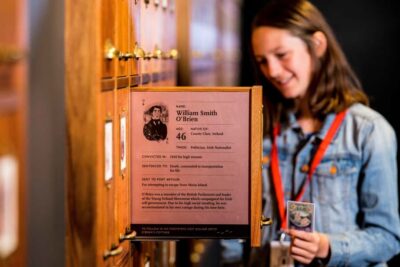
So you’ll want to treat this like independent exploring with a guided setup earlier in the day. If you enjoy wandering at your own pace—reading signs, moving between buildings, and choosing what grabs you—this style can work well.
The site is known for its preserved and reconstructed elements, and you’ll likely spend the majority of your daylight here after the bus transfer and before or after the cruise (the tour is structured as a day outing either way). That’s why planning your energy matters: this isn’t a “quick look and go” type of visit.
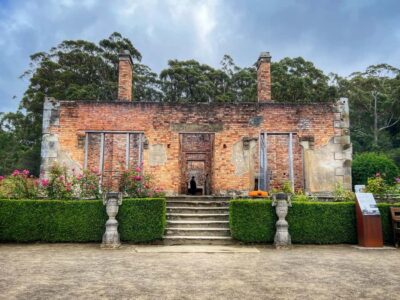
A possible drawback to keep in mind: some visitors find that the ruins and remaining structures can feel less satisfying if you were expecting everything to feel perfectly intact. It doesn’t mean it’s not worth it—it just means your expectations should match the format: part of the experience is seeing what time left behind.
Wildlife Spotting: What to Watch For (and How to Increase Your Chances)
This cruise is built for wildlife eyes. And the key is knowing what you’re looking for.
Here’s the lineup:
- Cheeky Australian fur seals at the base of the cliffs (Cape Raoul is a prime spot)
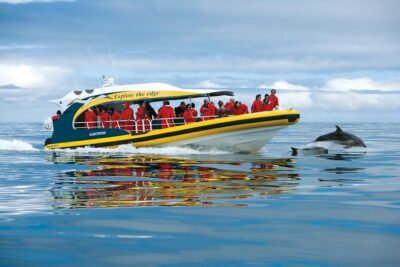
- Dolphins that may play in the boat’s bow wave
- Whales, especially during the southern migration season
- Albatrosses and white-bellied sea eagles, plus other seabirds soaring above the coastline
So what does that mean for you while onboard? Stay patient and scan in multiple directions. Dolphins are often predictable around moving water, but albatrosses can show up far off. If you only look at one side of the boat, you’ll miss a chunk of the action.
Also, don’t forget the sky. Seabirds soaring above the coastline can be easier to spot than wildlife further under the surface. If you see birds circling, it’s often worth a longer look.
And yes—seasickness is a real consideration. The tour information recommends motion sickness medication for those prone to it. If you’re sensitive, plan ahead. Bring layers, stay hydrated, and choose a stable spot on the boat when you can.
Crew and Guides: The Day Runs Better When Someone Knows the Route
One of the most praised parts of this experience is the people running it. In particular, the bus driver Ashleigh is described as cheerful and informative. On the water, the captain Tom is highlighted as masterful, knowledgeable, and entertaining.
That matters more than it might sound. A cruise like this isn’t just about pointing at scenery. Good guiding helps you notice details you’d otherwise ignore—like why Cape Raoul’s cliff features matter, or where seals are most likely to lounge.
It also makes the day feel smoother. When staff are friendly and the boat is clean and comfortable, you’re more likely to stick with the experience when conditions are changing.
Price and Value: Does $169 Make Sense?
At $169 per person for a one-day outing, you’re paying for more than a cruise. In fact, the value comes from what’s bundled.
Included:
- Return bus transfer from Hobart (with guide)
- 90-minute wilderness cruise (with guide)
- A local guide
- Port Arthur Historic Site entry
Not included:
- Food and drinks
- Hotel pickup and drop-off
So the value question depends on what you’d otherwise do. If you don’t want to hire a car, time your drives, and deal with parking, this package can be very cost-effective. Even if you can drive, the guided transfer saves energy for the cruise and the self-guided Port Arthur time.
The one cost to budget for is food. Since food and drinks aren’t included, plan to bring snacks or budget for meals during your Port Arthur time window. On a long day, hunger makes every decision harder.
What to Bring for Tasmania Weather and a Real Boat Ride
Tasmania weather has a habit of changing its mind. The tour recommends:
- Warm clothing
- Hat
- Camera
- Sunscreen
- Comfortable clothes
- Layers, because you’ll likely go from breeze to sun and back again
I also suggest you treat the cruise like you’ll be outdoors most of the time, not just “standing near the deck for a moment.” Wind and spray are part of the feel here, especially when you’re cruising along cliff edges.
And if you’re prone to motion sickness, don’t wait until you feel off. The tour information specifically recommends motion sickness medication for those who get it.
Who This Tour Suits Best (and Who Might Want to Rethink It)
This is a strong fit if:
- You have limited time in Hobart and want a one-day Tasman Peninsula hit
- You care about both scenery and meaningful stops like Point Puer and Isle of the Dead
- You enjoy wildlife watching, especially seals and seabirds
- You’d rather have a guided day than figure out timing on your own
It may be less ideal if:
- You get seasick easily and don’t want to manage that risk
- You expected a much longer cruise portion (some feedback suggests the cruise duration can feel short if you really want more time on the water)
- You’re planning to spend a full day inside Port Arthur and are hoping for a completely “intact buildings” feel
Final Call: Should You Book the Hobart to Cape Raoul Cruise?
I’d book this if you want one day that does two things well: gives you the coast from the water and still includes Port Arthur in the same schedule. Cape Raoul is the star, and the combination of cliffs, cove beaches, and wildlife makes it more than a bus-and-board transfer.
If you’re sensitive to motion or you’re expecting a leisurely, slow-paced day with lots of extra time at sea, go in with the right mindset. This is a structured day trip, and you’ll get the cruise and then you’ll work through Port Arthur time.
Overall, for most visitors using Hobart as a base, this offers solid value for a one-day itinerary—especially when guided attention helps you notice what makes the Tasman Peninsula unforgettable.
FAQ
How long is the Hobart to Port Arthur Cape Raoul tour?
It runs for one day, with a 90-minute wilderness cruise included as part of that full-day schedule.
What’s included in the price?
The package includes return bus transfer from Hobart (with guide), the 90-minute wilderness cruise (with guide), a local guide, and entry to Port Arthur Historic Site.
Is food or drinks included?
No. Food and drinks are not included, so you’ll need to plan for meals during your Port Arthur time.
Where do I meet the tour?
You meet at the Pennicott Wilderness Journeys Booking Office, located opposite the lifting bridge on Franklin Wharf.
What should I bring?
Bring warm clothing, a hat, sunscreen, comfortable clothes, and a camera. The tour also advises wearing layers and checks weather conditions before you go.
What if I get seasick?
If you’re prone to seasickness, it’s recommended to take motion sickness medication ahead of time. Wearing layers and being prepared for changing weather can also help you feel more comfortable.
More Time on the Water
- Maria Island Cruise and Guided Walk Day Tour with Lunch and Drinks
★ 5.0 · 617 reviews - Port Arthur Full-day Guided Tour with Harbour Cruise and Tasman National Park
★ 4.5 · 585 reviews - Derwent River Historic Harbour Cruise From Hobart
★ 4.5 · 570 reviews - Hobart: Port Arthur & Tasman Park Full-Day Trip with Cruise
★ 4.6 · 442 reviews - Port Arthur and Tasman Sights with Harbour Cruise
★ 5.0 · 352 reviews
More Tour Reviews in Hobart
- Bruny Island Food, Sightseeing, Guided Lighthouse Tour & Lunch
★ 5.0 · 2,989 reviews - Full-Day Guided Bruny Island Tour from Hobart
★ 5.0 · 1,331 reviews - kunanyi/Mt Wellington Explorer Bus- Return Tour (2.5 hours)
★ 5.0 · 1,249 reviews - Hobart: kunanyi/Mt Wellington Explorer Bus Pass
★ 4.8 · 848 reviews - Bruny Island Traveller – Gourmet Tasting and Sightseeing Day Trip from Hobart
★ 5.0 · 786 reviews
The Port Arthur Historic Site
- Port Arthur Full-day Guided Tour with Harbour Cruise and Tasman National Park
★ 4.5 · 585 reviews - Tasman Island Cruises and Port Arthur Historic Site Day Tour from Hobart
★ 5.0 · 477 reviews - Hobart: Port Arthur & Tasman Park Full-Day Trip with Cruise
★ 4.6 · 442 reviews - Port Arthur and Tasman Sights with Harbour Cruise
★ 5.0 · 352 reviews - Hobart: Port Arthur, Richmond & Tassie Devil – Active Tour
★ 4.8 · 351 reviews
Just Added: Fresh Hobart and Tasmania Reviews





Port Arthur & the Tasman Peninsula, compared.
 ★ 4.9From Port Arthur: Tasman Island Wilderness CruiseFrom $127704 reviews
 ★ 4.5Port Arthur Full-day Guided Tour with Harbour Cruise and Tasman National ParkFrom $121585 reviews
 ★ 4.8Port Arthur Historic Site Admission and Tour OptionsFrom $37509 reviews
 ★ 5.0Tasman Island Cruises and Port Arthur Historic Site Day Tour from HobartFrom $236477 reviews
 ★ 4.6Port Arthur & Tasman Park Full-Day Trip with CruiseFrom $120442 reviews
 ★ 5.0Port Arthur and Tasman Sights with Harbour CruiseFrom $35352 reviews
 ★ 4.8Port Arthur, Richmond & Tassie Devil – Active TourFrom $138351 reviews
 ★ 4.9Tasman Peninsula Tour, Cruise & Port Arthur Historic SiteFrom $233339 reviews
Browse the lists this tour appears in