
Reviewed · BONORONG WILDLIFE SANCTUARY & TASMANIAN DEVILS
Bonorong Wildlife Sanctuary Guided Night Tour
A night tour at Bonorong changes how you see wildlife. You get a guided, small-group after-dark feeding session at Tasmania’s sanctuary, with hands-on time with nocturnal creatures and a real chance to help your guide feed Tasmanian devils.
What I like most is the mix: you’re not only watching you’re participating. Second, I love that the whole rhythm makes sense—daytime animals eat first, then the nocturnal crew gets their turn, so you’re not just doing a random walk in the dark.
One consideration: animal handling is strictly controlled. You can’t hold animals, and feeding is not guaranteed for every guest depending on keeper instructions and the animals that night.
In This Review
- Quick hits before you go
- A Night Shift for Tasmania’s Critters
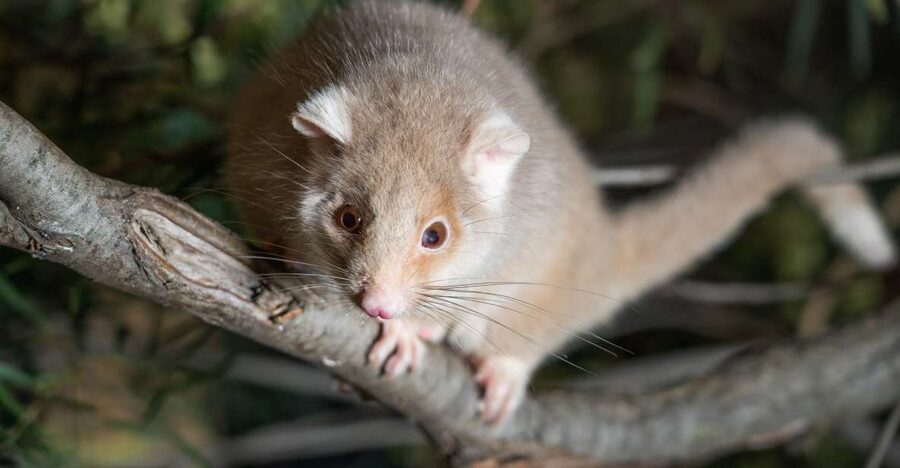
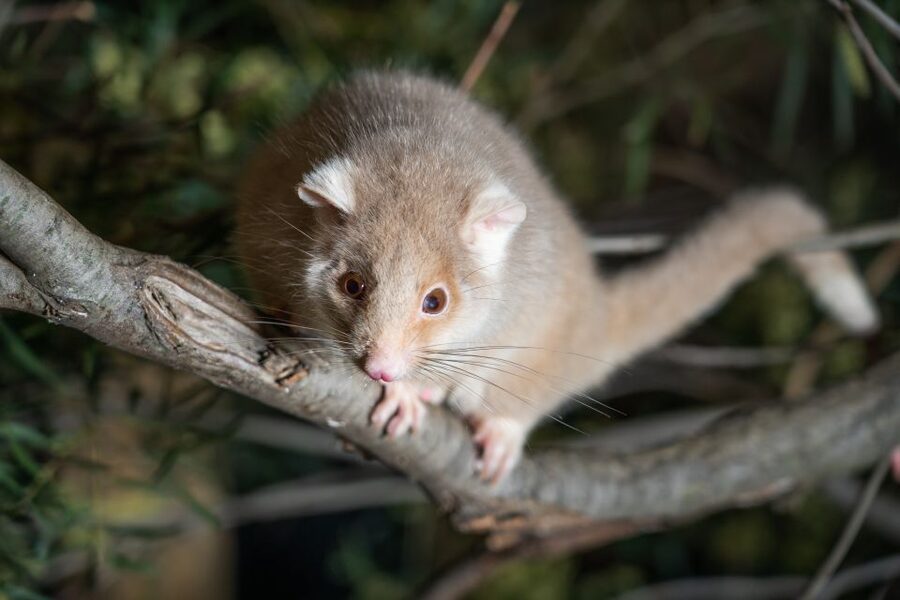
- Who You’ll Meet: Devils, Quolls, Frogmouths, Sugar Gliders
- Feeding First, Then the Animals Set the Pace
- Kangaroos at Ground Level: Meeting the Forester Mob
- Recovering Survivors: Seeing Why the Sanctuary Exists
- Price and Time: Is $115 Worth 2.5 Hours?
- What to Bring for a Comfortable Night
- The Small-Group Advantage (and Why It Helps You)
- Who This Tour Suits Best
- Should You Book Bonorong’s Wildlife Night Tour?
- FAQ
- How long is the Bonorong Wildlife Sanctuary guided night tour?
- What’s the meeting time at Bonorong?
- What is included in the $115 per person price?
- Is food and drink included?
- Can I feed all of the animals during the tour?
- Can I hold or touch the animals during the tour?
- Are there age requirements for children?
- What should I wear or bring?
- What happens if the tour is cancelled due to weather or animal welfare?
Quick hits before you go
- Small-group night format keeps attention on you, not on a crowd.
- Hands-on feeding includes daylight animals first, then nocturnal animals for their breakfast routine.
- Tasmanian devils dinner support is the headline moment—your guide brings you in at feeding time.
- Forester kangaroos encounter adds a friendly, low-drama counterpoint to the night feeders.
- Recovering animals and orphans give the sanctuary a mission you can actually see in action.
- Guide quality matters; one guide named Johnny gets called out for being warm and clearly invested in the animals.
A Night Shift for Tasmania’s Critters
Bonorong’s guided night tour is designed like a feeding shift, not a show. After you arrive at the sanctuary (plan to be there 15 minutes early), your guide sets the tone: this is about keeping animals calm, moving safely, and following keeper instructions the whole way.
The best part is that you’re inside the sanctuary schedule. Dinner time for daylight dwellers comes first, then it flips to the nighttime pattern—nocturnal animals get their breakfast as the tour continues. That timing makes the whole experience feel logical and purposeful, instead of you just popping in for a quick peek at night.
And because it’s a small group, you’re not stuck waiting behind people every time someone spots an animal. You get more chances to see behavior up close and to ask questions without talking over a crowd.
More time with the wildlife and the Tasmanian devils
Who You’ll Meet: Devils, Quolls, Frogmouths, Sugar Gliders
This tour is built around a short list of real character animals. The night is your best shot at seeing species that usually stay hidden, and Bonorong leans into that.
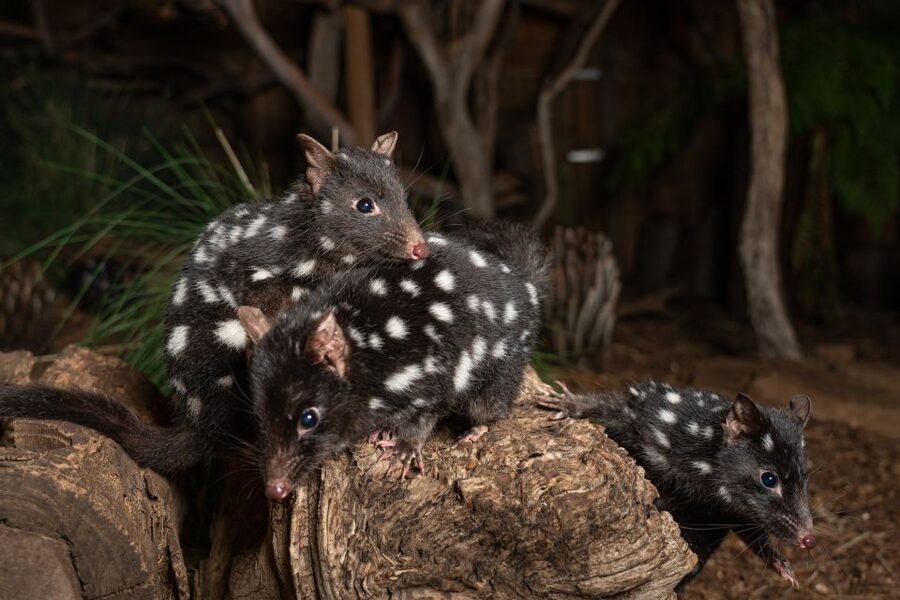
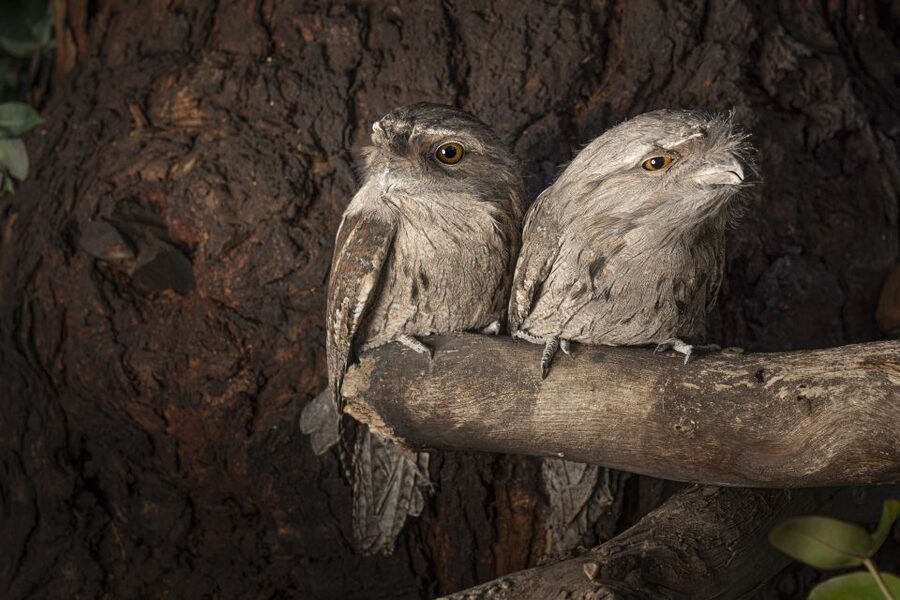
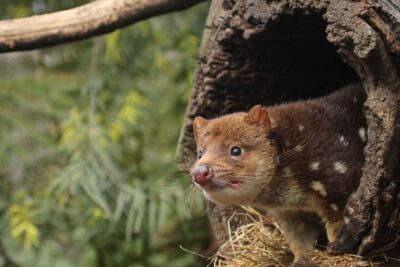
Eastern quolls are one of the star “weird but wonderful” species on the itinerary. Expect to get close enough to appreciate how they move and how they use their bodies when food appears. Tawny frogmouths are another big draw, and you’ll see them in the right setting—at night, when they’re more likely to be active. Sugar gliders add even more variety. They’re fast, curious, and just plain fun to watch when the timing is right.
Then there’s the Tasmanian devil moment, and yes, this is the part people remember. You help your guide feed Tasmanian devils their dinner. Your role will depend on what the keeper asks of you that night, but the structure is the same: your guide handles safety and animal welfare first, and you’re brought in to assist during feeding.
A quick reality check: you won’t be “holding animals” as part of this tour. You also might not feed every animal you see. Sometimes it’s about animal temperament, sometimes it’s about logistics, and the keepers call the shots. The upside is that the rules protect both you and the animals, and that’s the point of the sanctuary.
Feeding First, Then the Animals Set the Pace
A good night tour doesn’t just show you animals—it teaches you how caretakers think. Bonorong’s flow is built to match the sanctuary’s daily feeding routine, and your guide explains why the order matters.
First come the daylight dwellers, getting dinner as the tour begins. Then, once the schedule flips, the nocturnal animals get their breakfast. You’ll also learn how your actions fit into that routine. Even when you’re only “assisting” or watching at close range, your presence is tied to feeding time, not a casual stroll.
You’re likely to help feed almost all of the animals in the sanctuary during the session. That wording matters. It means the tour isn’t a couple of quick stops and then you go back to the meeting point. Instead, feeding is used as the organizing theme, so the night feels connected.
Also, your guide will set expectations early: all participants must follow keeper instructions. If you want to make the most of it, listen closely when the keeper talks about what to do and what not to do. It’s not just about rules—it’s what keeps the feeding calm and safe enough for everyone.
Kangaroos at Ground Level: Meeting the Forester Mob
Between the nocturnal feeders, you get a bonus encounter: friendly Forester kangaroos. It’s a nice shift in tone. Devils and small nocturnal mammals can make a night feel intense; kangaroos bring it back to something grounded and relaxed.
Because kangaroos tend to be more visible and less skittish than many small wildlife species, this is where your eyes get to rest. You get a real feel for scale too—how the sanctuary spaces work, how animals move through their area, and how caretakers manage encounters without turning it into a circus.
If you’re worried the night tour will be all tiny creatures in the shadows, the kangaroos help balance it. You still get wildlife you can connect with, but in a way that’s easier to absorb during a 2.5-hour session.
Recovering Survivors: Seeing Why the Sanctuary Exists
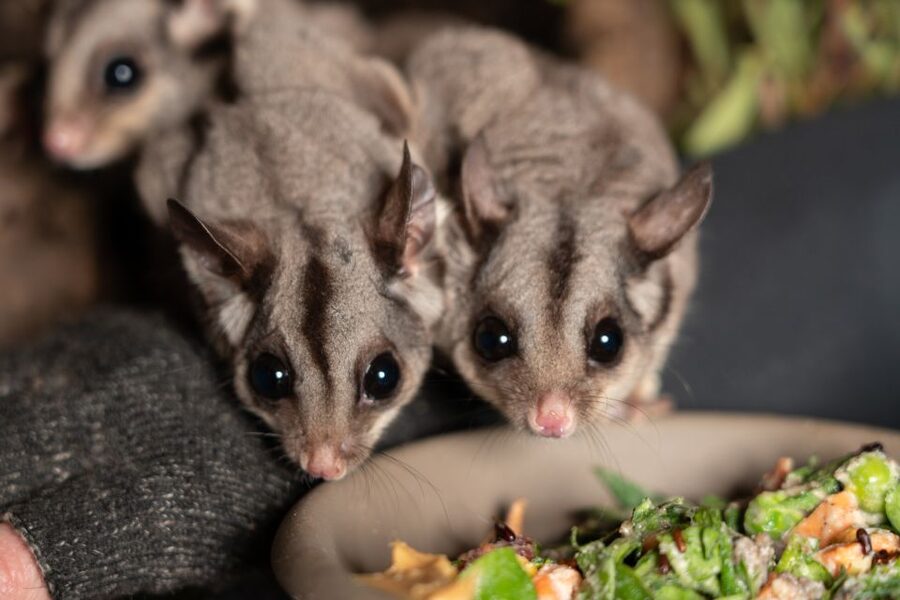
Bonorong isn’t just a place where animals are kept. Many animals you’ll meet are recovering from injury or are orphans. That changes the emotional texture of the tour.
At night, with hands-on feeding, it would be easy for a sanctuary experience to feel like pure entertainment. Bonorong frames it differently: your guide shows you how the sanctuary helps animals get back into the wild.
That’s one of the most valuable parts of this tour. When you understand what’s at stake for injured and orphaned wildlife, the feeding becomes more meaningful. You’re not just getting photos of cute faces under red light. You’re seeing how care leads to release, and why the rules matter.
And the fact that you feed multiple species, not just one special attraction, reinforces the mission. Your guide isn’t only selling an animal encounter. They’re demonstrating day-to-day work through a feeding schedule you’re participating in.
More Tasmanian days made easy with a guide
- Maria Island Cruise and Guided Walk Day Tour with Lunch and Drinks
★ 5.0 · 617 reviews - Port Arthur Full-day Guided Tour with Harbour Cruise and Tasman National Park
★ 4.5 · 585 reviews - 7- 8 Hour StelaVino Guided Wine Tours From Hobart, Tasmania
★ 5.0 · 136 reviews - Grand Port Arthur with guided Isle of the Dead tour
★ 4.5 · 91 reviews - Tasmania: Wilderness and Wildlife Guided 6-Day Tour
★ 4.6 · 60 reviews
Price and Time: Is $115 Worth 2.5 Hours?
At $115 per person for about 2.5 hours, this is not a budget activity. But the value is in what’s included: admission, the guided night tour, feeding, and the guide.
Here’s how to think about the cost in practical terms:
- You’re getting sanctuary access plus expert-led handling of multiple animal feedings during one organized window.
- You’re not just watching from a distance; the experience is designed around participation, even if it’s controlled participation.
- The time window is short enough to feel focused. Two and a half hours at night is long enough to build momentum, but not so long that it turns into waiting.
If you’re the type of traveler who loves structured, meaningful wildlife encounters—especially those that emphasize animal welfare—this price is easier to justify. If you’re mainly after casual sightseeing, you might find it pricey for how specific the experience is.
The good news: the tour also has a “safety net” idea built in. If weather is severe or animal welfare requires a change, the tour may be cancelled, and you’ll be offered an alternative encounter or a full refund. That reduces the risk of paying for an experience that’s spoiled by the elements.
What to Bring for a Comfortable Night
This is a night tour in Tasmania, so comfort matters more than fashion. The basics are simple and practical.
Bring:
- Comfortable shoes (you’ll be walking around and moving with a group)
- Warm clothing (night gear isn’t optional here)
- Comfortable clothes that you can move in
Also, go in with the mindset that you’re following instructions. Your guide and the keepers may ask you to move, pause, or step back at any time. The rules are real: participants may be asked to leave an enclosure at staff discretion during the tour.
That doesn’t mean you’re in trouble—it means the sanctuary is protecting animal welfare and guest safety. If you tend to get impatient when you’re asked to wait, this might be a challenge. If you can slow down and let the keeper lead, you’ll get more out of it.
The Small-Group Advantage (and Why It Helps You)
Small groups sound nice on paper, but here’s what it does for your night. You get more time at feeding points, more chances to see animals clearly, and more opportunities to ask questions while the guide is explaining what’s happening.
It also makes the experience more personal. In a larger crowd, feeding moments can become a blur: people arrive late, point from far away, and the guide can only do the bare minimum. With a smaller group, the guide can give real context about why the animal is being fed, what the animal needs, and how your behavior affects the outcome.
And because it’s a guided feeding session, not a self-guided route, you’re less likely to miss the “why this animal matters” part. That context is what turns a night out into something you’ll talk about later—especially with animals like quolls, frogmouths, gliders, and Tasmanian devils in the same evening plan.
Who This Tour Suits Best
This is a strong fit for you if:
- You want hands-on wildlife experiences that are guided and structured
- You’re interested in Tasmania’s native animals beyond the usual headline species
- You care about sanctuaries where animals are recovering and being supported for eventual release
- You like the idea of nighttime wildlife being active on cue, rather than waiting in the dark hoping
It may be less ideal if:
- You hate following strict rules or you get frustrated when you have to move back or step aside
- You’re hoping for guaranteed animal holding or guaranteed feeding for every single animal
- You want a casual, flexible walk-through with no schedule rhythm
For families, there’s one key note: a paying adult must accompany children under 16, and the adult is responsible for the child at all times.
Should You Book Bonorong’s Wildlife Night Tour?
If you want a night in Tasmania that feels purposeful, Bonorong’s Guided Night Tour is a smart booking. You’re paying for a real sanctuary routine, not just a glimpse of animals. The feeding component—day animals first, nocturnal animals next, plus help with Tasmanian devil dinner—is exactly the kind of experience that turns wildlife interest into something hands-on.
I’d book it if animal welfare and structured guidance matter to you. I’d pass (or consider a different type of wildlife activity) if you’re mostly after a cheap, flexible night out or you’re counting on guaranteed feeding for every animal.
FAQ
How long is the Bonorong Wildlife Sanctuary guided night tour?
The tour runs for about 2.5 hours.
What’s the meeting time at Bonorong?
Arrive 15 minutes before the scheduled departure time.
What is included in the $115 per person price?
The price includes admission, the 2.5 hour guided night tour, feeding, and the guide.
Is food and drink included?
No. Food and drinks are not included.
Can I feed all of the animals during the tour?
Feeding is not guaranteed for every participant. Where appropriate, the keeper may offer you a chance to feed.
Can I hold or touch the animals during the tour?
You will not be able to hold animals. In some situations, you may be able to pat them under supervision of the keeper.
Are there age requirements for children?
A paying adult must accompany children under 16, and the adult or guardian must take responsibility for the child.
What should I wear or bring?
Bring comfortable shoes, warm clothing, and comfortable clothes.
What happens if the tour is cancelled due to weather or animal welfare?
If a tour is cancelled due to severe inclement weather or animal welfare issues, participants will be offered an alternative encounter or a full refund.
More Tours in Hobart
- Bruny Island Food, Sightseeing, Guided Lighthouse Tour & Lunch
★ 5.0 · 2,989 reviews - Full-Day Guided Bruny Island Tour from Hobart
★ 5.0 · 1,331 reviews - kunanyi/Mt Wellington Explorer Bus- Return Tour (2.5 hours)
★ 5.0 · 1,249 reviews - From Hobart: Full-Day Bruny Island Tour with Guide
★ 4.7 · 755 reviews - Day Tour in Mt. Field, Mt. Wellington, Bonorong Wildlife Sanctuary and Richmond
★ 5.0 · 735 reviews
More Tour Reviews in Hobart
- Bruny Island Food, Sightseeing, Guided Lighthouse Tour & Lunch
★ 5.0 · 2,989 reviews - Full-Day Guided Bruny Island Tour from Hobart
★ 5.0 · 1,331 reviews - kunanyi/Mt Wellington Explorer Bus- Return Tour (2.5 hours)
★ 5.0 · 1,249 reviews - Hobart: kunanyi/Mt Wellington Explorer Bus Pass
★ 4.8 · 848 reviews - Bruny Island Traveller – Gourmet Tasting and Sightseeing Day Trip from Hobart
★ 5.0 · 786 reviews
Wildlife and the Tasmanian Devils
- Day Tour in Mt. Field, Mt. Wellington, Bonorong Wildlife Sanctuary and Richmond
★ 5.0 · 735 reviews - Hobart: Mt Wellington, Mt Field, Bonorong and Richmond Trip
★ 4.8 · 722 reviews - Hobart: Port Arthur, Richmond & Tassie Devil – Active Tour
★ 4.8 · 351 reviews - From Hobart: Mt. Field, Mt. Wellington and Wildlife Day Tour
★ 4.8 · 261 reviews - Bonorong Wildlife Sanctuary Half-Day Tour from Hobart
★ 4.5 · 158 reviews
Just Added: Fresh Hobart and Tasmania Reviews




Bonorong Wildlife Sanctuary & Tasmanian Devils, compared.
 ★ 5.0Day Tour in Mt. Field, Mt. Wellington, Bonorong Wildlife Sanctuary and RichmondFrom $128735 reviews
 ★ 4.8Mt Wellington, Mt Field, Bonorong and Richmond TripFrom $126722 reviews
 ★ 4.8Port Arthur, Richmond & Tassie Devil – Active TourFrom $138351 reviews
 ★ 4.8Mt. Field, Mt. Wellington and Wildlife Day TourFrom $130261 reviews
 ★ 4.5Bonorong Wildlife Sanctuary Half-Day Tour from HobartFrom $88158 reviews
 ★ 4.5Port Arthur, Richmond and Tassie Devils Active Tour from HobartFrom $139128 reviews
 ★ 4.7Admission Ticket to Bonorong Wildlife SanctuaryFrom $25126 reviews
 ★ 5.04 Day Wild Tasmania Tour / Wildlife, Nature, Hiking / Inc. AccomFrom $713126 reviews
Browse the lists this tour appears in