
Reviewed · HOBART HARBOUR & RIVER CRUISES
Hobart Sightseeing Cruise including Iron Pot Lighthouse
If Hobart feels too fast, do it from the water.
This Hobart sightseeing cruise glides the River Derwent to Iron Pot Lighthouse, then swings into Storm Bay toward Betsey Island for big-water scenery and real maritime stories. I especially like the photo angles you get of Hobart’s waterfront landmarks and Mt Wellington from sea level, and I love the small-group feel that keeps the guide’s talk coming fast and specific. One thing to factor in: on some days the operator may use a different enclosed boat than the one you expected, which can slightly change the vibe.
In This Review
- Quick take: what makes it feel worth $104
- Key takeaways before you go
- River Derwent to Storm Bay: a half-day route that makes Hobart click
- Franklin Wharf arrival: where to meet and how to settle in
- Iron Pot Lighthouse: 1832 shipwreck logic in one dramatic stop
- Mt Wellington and the waterfront: the photos you can’t copy from a sidewalk
- Storm Bay and Betsey Island: sea caves, bird life, and that open-water feeling
- Wildlife spotting without the pressure: what you can realistically hope for
- The guides: stories that connect the places (and keep you laughing)
- Boat comfort and weather reality: enclosed windows are your friend
- Price and value: why $104 can make sense in Hobart
- Who this cruise suits best (and who should consider alternatives)
- Should you book the Hobart Sightseeing Cruise with Iron Pot Lighthouse?
- FAQ
- How long is the Hobart cruise?
- Where does the tour start?
- What’s included in the ticket price?
- Are food and drinks provided?
- Is hotel pickup or drop-off included?
- How large is the group?
- Does the cruise run in bad weather?
- What boat will I be on?
Quick take: what makes it feel worth $104
The best part is not just the sights. It’s how the guide strings them together: shipwreck history, lighthouse-keeper life, and why the Sydney to Hobart Yacht Race matters right at this stretch of water. The route also gives you time in the open water to scan for birds and marine life, not just a quick look-and-go.
The only drawback I’d flag is that this is a relaxed sightseeing cruise. If you want lots of active “do stuff” energy, you’ll still enjoy it, but it’s more about seeing, listening, and watching than hopping in and out.
Key takeaways before you go
- Small group (max 12–14): you’ll have room to hear the guide without shouting.
- Iron Pot Lighthouse (built 1832): you get the story and the dramatic setting at the mouth of the Derwent.
- Storm Bay + Betsey Island: sea caves and wildlife habitat, not just a lighthouse detour.
- Photo-friendly viewpoints: Mt Wellington and Hobart landmarks look best from the waterline.
- Closed-in comfort: large windows and enclosed seating help when the wind picks up.
- Wildlife sightings are real: guests have reported whales, dolphins, seals, and rare birds.
More cruises out on the Derwent and Hobart harbour
River Derwent to Storm Bay: a half-day route that makes Hobart click
Hobart has charm you can spot from land, sure. But there’s a second Hobart you only “get” when you ride along the water. This cruise does that in about 2 hours 30 minutes, with a loop that takes you from Franklin Wharf down the River Derwent, out toward the mouth of the river, and into Storm Bay.
I like this timing because it fits real life on a short trip. You get a meaningful slice of the coast without burning an entire day. And you’re not stuck inside a dark boat for long stretches either—this route gives you plenty of moments where the wind pauses just long enough for photos and bird-spotting.
Another practical win: the cruise is built for viewing. You sit in an enclosed cabin with large windows, and there’s also forward-facing seating. That matters in Hobart, where weather can change quickly and the water can feel a notch colder than the city.
Franklin Wharf arrival: where to meet and how to settle in
Your meeting point is Pennicott Wilderness Journeys’ Dock Head Building at Franklin Wharf, Hobart. In other words: you’re not traveling across town first. You meet the guide and walk to the jetty area from there.
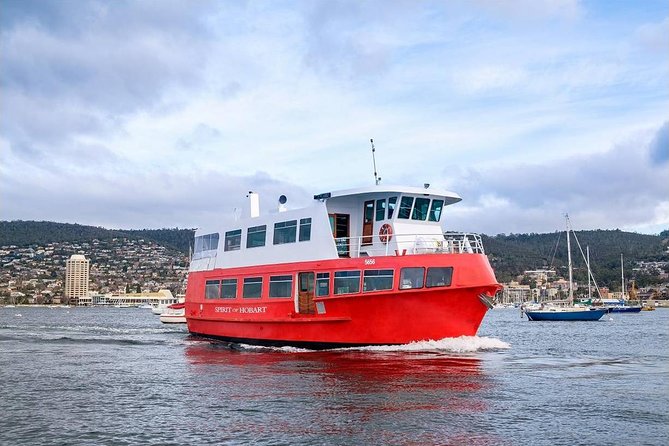
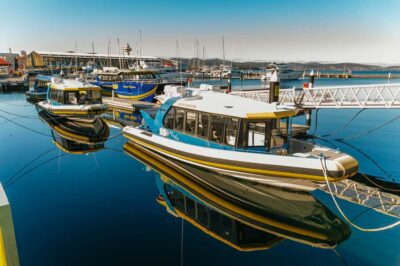
From the boat side, you’re going to feel the comfort immediately. The usual setup described for this cruise includes a motorboat with leather seats, plus an enclosed cabin with large windows. Seating is laid out with 12 forward-facing seats and 2 rear bench seats, which is great if you’re someone who wants to look out and keep your camera ready.
Now, here’s the one planning detail that can matter: one guest reported a vessel change on the day, moving from the smaller rigid inflatable-style boat to a larger enclosed catamaran. The good news is the replacement was still enclosed and kept the tour running with extra capacity. The not-so-great news is that the feel can be different. If you’re picky about boat style, know that there can be changes.
Iron Pot Lighthouse: 1832 shipwreck logic in one dramatic stop
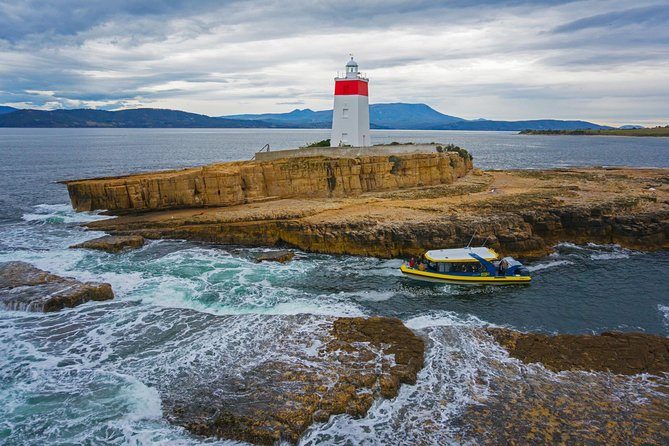
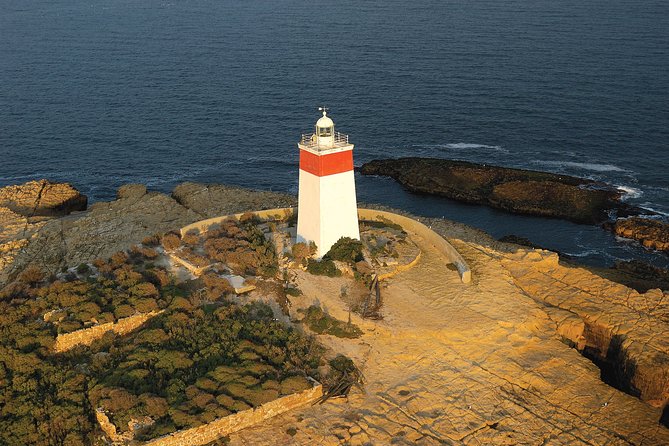
The star moment is the cruise past Iron Pot Lighthouse, one of Australia’s oldest lighthouses. It sits on a small rock island at the entrance to Storm Bay, and you don’t just see it from far away—you’re in the right place at the right angle to understand why this point mattered.
The history is built around the water itself. The lighthouse was constructed in 1832 after several shipwrecks. That shipwreck context gives the whole scene weight. You start noticing how the coast curves, how visibility and timing would have been so critical, and why lighthouse keepers were more than caretakers—they were part of the safety system for incoming ships.
What I like most is the guide’s framing. The stories connect lighthouse life (including keepers and their families) to Hobart’s broader maritime past. It’s not just dates. It’s why people lived the way they did, and what that meant for everyday routines on the edge of the water.
And there’s a modern twist too: this is also tied to the Sydney to Hobart Yacht Race. Iron Pot is described as the lighthouse’s final-turn moment in the race, which turns a historic structure into something you can place in a current event. Even if you don’t follow yachting at home, the race connection makes the route feel alive.
Mt Wellington and the waterfront: the photos you can’t copy from a sidewalk
One of the smartest things about this cruise is that it doesn’t limit itself to lighthouse scenery. You also pass major Hobart landmarks along the river.
As you head along the Derwent, you’ll go by places such as Battery Point and Wrest Point Casino. You’ll also cruise past the Shot Tower, a tall structure listed as 49 meters (about 160 feet). From water level, it changes character—you notice scale, symmetry, and sight lines you don’t get from street viewpoint.
Then there’s Mt Wellington. From land, Mt Wellington is often a background. From the water, it becomes a towering focal point, especially when the city falls into the lower foreground. If you like travel photos where the subject looks “big because you saw it,” this is your angle.
The enclosed cabin helps here too. Even if the day isn’t calm, windows let you shoot without half-freezing your hands on a deck.
More hours out on the water
- Maria Island Cruise and Guided Walk Day Tour with Lunch and Drinks
★ 5.0 · 617 reviews - Derwent River Historic Harbour Cruise From Hobart
★ 4.5 · 570 reviews - Tasman Peninsula Tour, Cruise & Port Arthur Historic Site
★ 4.9 · 339 reviews - Peppermint Bay Cruise & Lunch
★ 4.5 · 328 reviews - Bruny Island Wilderness Cruise from Adventure Bay, Bruny Island
★ 5.0 · 293 reviews
Storm Bay and Betsey Island: sea caves, bird life, and that open-water feeling

Once the cruise heads into Storm Bay, the mood shifts from city-edge to coastline wild. That’s when you start getting closer to the kind of shoreline that feels more like Tasmania than just a harbor town.
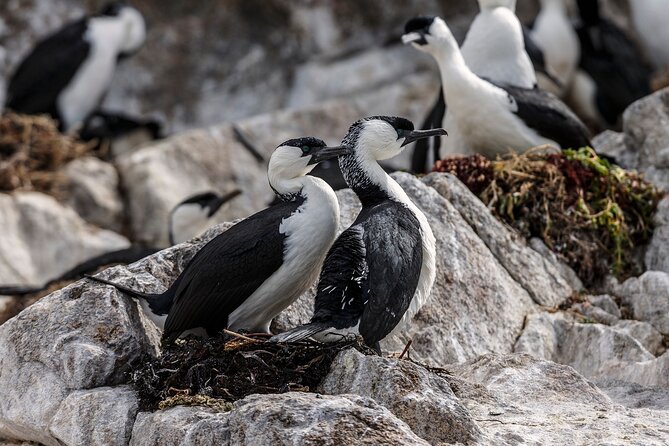
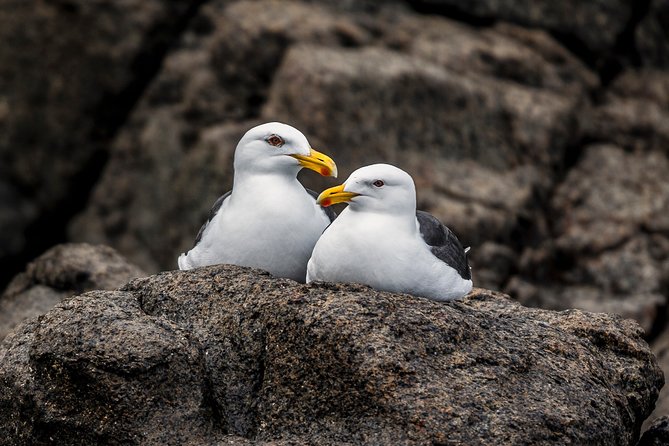
Your route takes you toward Betsey Island, described as uninhabited. You don’t just pass it—you circumnavigate it. The tour includes time to search for seabirds, and Betsey Island is known for birds like the white-bellied sea eagle. You may also spot other marine birds as the cruise tracks along the island’s edges.
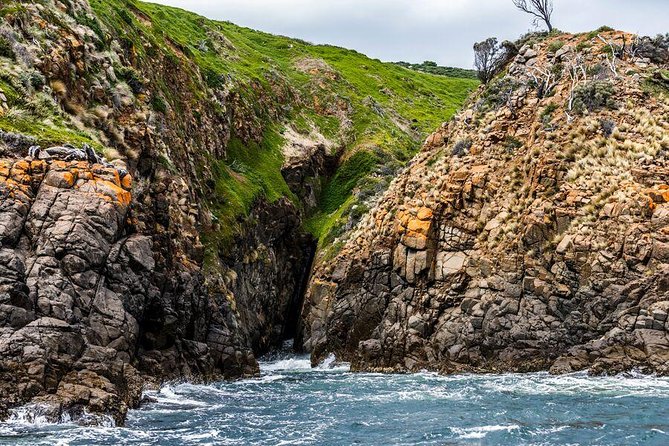
There are also sea caves mentioned for this area. Even if you’re not inside them, cruising the line where caves sit adds depth. It’s not a “plain shoreline” moment. It gives you those jagged, carved-water visuals that make coastal Tasmania feel distinct.
Then there’s Hope Beach, a secluded stretch of coastline known for surf conditions—offshore winds and large breaks are part of why it’s popular with surfers. For non-surfers, it still reads as a very real coastline: you feel the ocean energy more clearly as the cruise gets closer and then turns around.
Wildlife spotting without the pressure: what you can realistically hope for
Wildlife is one of the big reasons people love this cruise. You’re on the water at the right habitats: river-to-bay transitions, offshore food zones, and bird-rich coastal edges.
From feedback, guests have reported a mix of marine life, including:
- whales
- dolphins
- seals
- seabirds, including a rare eagle sighting
Bird life is directly part of the tour focus, especially around Betsey Island with the white-bellied sea eagle. And the cruise’s slow scanning pace helps. You’re not rushing through a photo stop; you’re moving while the guide calls attention to what’s happening.
My advice: treat wildlife as a bonus, not a guarantee. Use your eyes first, camera second. When a bird or seal is visible, wait for a couple of seconds longer than you think you need—sometimes they move into view right after you decide to lower the lens.
The guides: stories that connect the places (and keep you laughing)

This kind of cruise lives or dies on the guide. Here, the tone sounds consistent: staff are friendly, the commentary is full of detail, and guides bring personality.
You’ll see guide names mentioned across feedback—people like Tom, Jodie, Jordy, Luke, Hamish, Huw, Mitch, Sean, and Sam (plus Isabel). That’s not just name-dropping. It signals something important: the company’s guides tend to tell the story in a way that sticks. Maritime history can turn dry fast, but the guide framing turns it into a “why this matters” conversation.
If you’re the type who likes learning while still having fun, you’ll likely enjoy the mix: shipwreck context, lighthouse life, yacht race relevance, and wildlife talk all woven together while you’re actually moving along the coast.
Boat comfort and weather reality: enclosed windows are your friend
Hobart weather can go from polite to pushy without warning. This cruise is designed with that in mind. It’s described as operating in all weather conditions, and the boat setup you’ll see is enclosed, with large windows.
That’s not just comfort—it’s control. You can enjoy the views and keep listening even when the wind makes the deck unpleasant. A guest also noted that blankets were provided for cooler weather, which is exactly what you want if you’re prone to getting chilled on the water.
What to wear: dress appropriately for conditions on the bay. Think layers you can add or remove, and something wind-resistant. If you show up wearing just city clothes, you’ll feel it once the cruise moves out into open water.
Price and value: why $104 can make sense in Hobart
At $104 per person, this isn’t the cheapest activity in Hobart. But it also isn’t a short, bare-minimum “see the thing” ride. You’re paying for:
- a 2.5-hour boat cruise on a scenic route
- a guide who explains maritime history and what you’re looking at
- small-group size (max 12–14), which makes the experience feel personal
- access to the Iron Pot Lighthouse area and Storm Bay viewpoints
In a city where many top attractions are self-guided and involve lots of walking (and sometimes buses), paying for boat time can actually save energy. You’re getting views that would be much harder to recreate on foot. And you’re getting explanation while you’re there, not afterward in a museum.
If you’re visiting for a few days and want one activity that gives you a fresh perspective without taking over your schedule, this price can feel fair.
Who this cruise suits best (and who should consider alternatives)
This fits well if you want:
- a scenic, comfortable water experience
- maritime history tied to specific real locations
- a small-group feel
- a chance at wildlife spotting (without an all-day nature trek vibe)
It’s less of a match if you’re looking for a very active day. One solo traveler feedback mentioned the cruise felt a bit boring for that kind of energy. If you want hiking-style effort, or constant “do this next” movement, you might prefer a more active day trip type.
But if you’re happy to watch, listen, and photograph, the cruise can easily become one of your most memorable Hobart moments.
Should you book the Hobart Sightseeing Cruise with Iron Pot Lighthouse?
Yes, I’d book it if you want a high-value Hobart experience that mixes iconic scenery with stories you won’t get from just walking the waterfront. The strong satisfaction signals are hard to ignore: the recommendation rate is extremely high and the rating sits near the top.
Book it now if:
- you care about views from sea level
- you want Iron Pot Lighthouse plus Storm Bay in one outing
- you like small groups and a guide-led storyline
- you’re traveling in a time window where a 2.5-hour plan is perfect
Skip it or think twice if you:
- strongly prefer an ultra-active itinerary
- are sensitive to changes in the exact boat type used on the day
Bottom line: this is the kind of cruise that turns Hobart from a map into a place you can picture. And the Iron Pot Lighthouse stop gives your day a clear, memorable anchor.
FAQ
How long is the Hobart cruise?
The cruise runs for about 2 hours 30 minutes.
Where does the tour start?
You meet at Pennicott Wilderness Journeys at the Dock Head Building, Franklin Wharf, Hobart TAS 7000, and the activity ends back at the meeting point.
What’s included in the ticket price?
Your ticket includes the cruise and a local guide.
Are food and drinks provided?
No. Food and drinks are not included.
Is hotel pickup or drop-off included?
No, hotel pickup and drop-off are not included.
How large is the group?
It’s a small-group tour with a maximum of 12–14 people per tour (with 12 forward-facing seats and 2 rear bench seats listed for the setup).
Does the cruise run in bad weather?
The cruise operates in all weather conditions, but the experience does require good weather overall. If it’s cancelled due to poor weather, you’ll be offered a different date or a full refund.
What boat will I be on?
The usual setup is an enclosed boat with seating for up to 14 guests. On at least one day, a larger enclosed catamaran has been used instead, so the exact vessel can vary.
More Time on the Water
- Maria Island Cruise and Guided Walk Day Tour with Lunch and Drinks
★ 5.0 · 617 reviews - Port Arthur Full-day Guided Tour with Harbour Cruise and Tasman National Park
★ 4.5 · 585 reviews - Derwent River Historic Harbour Cruise From Hobart
★ 4.5 · 570 reviews - Hobart: Port Arthur & Tasman Park Full-Day Trip with Cruise
★ 4.6 · 442 reviews - Port Arthur and Tasman Sights with Harbour Cruise
★ 5.0 · 352 reviews
More Tour Reviews in Hobart
- Bruny Island Food, Sightseeing, Guided Lighthouse Tour & Lunch
★ 5.0 · 2,989 reviews - Full-Day Guided Bruny Island Tour from Hobart
★ 5.0 · 1,331 reviews - kunanyi/Mt Wellington Explorer Bus- Return Tour (2.5 hours)
★ 5.0 · 1,249 reviews - Hobart: kunanyi/Mt Wellington Explorer Bus Pass
★ 4.8 · 848 reviews - Bruny Island Traveller – Gourmet Tasting and Sightseeing Day Trip from Hobart
★ 5.0 · 786 reviews
Out on the Derwent
- Port Arthur Full-day Guided Tour with Harbour Cruise and Tasman National Park
★ 4.5 · 585 reviews - Derwent River Historic Harbour Cruise From Hobart
★ 4.5 · 570 reviews - Port Arthur and Tasman Sights with Harbour Cruise
★ 5.0 · 352 reviews - Peppermint Bay Cruise & Lunch
★ 4.5 · 328 reviews - Hobart: Historic Lunch Cruise
★ 4.6 · 271 reviews
Just Added: Fresh Hobart and Tasmania Reviews





Hobart Harbour & River Cruises, compared.
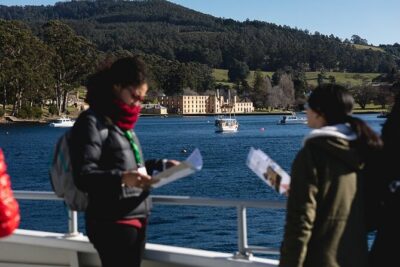 ★ 4.5Port Arthur Full-day Guided Tour with Harbour Cruise and Tasman National ParkFrom $121585 reviews
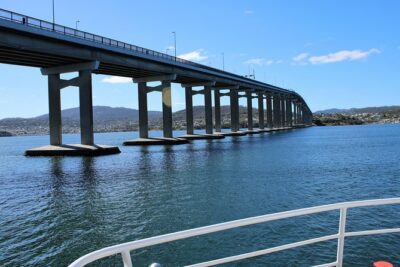 ★ 4.5Derwent River Historic Harbour Cruise From HobartFrom $25570 reviews
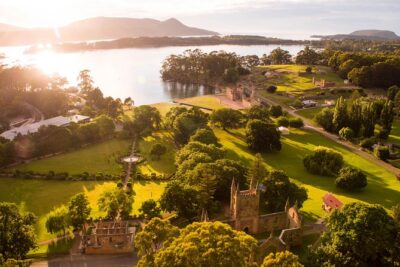 ★ 5.0Port Arthur and Tasman Sights with Harbour CruiseFrom $35352 reviews
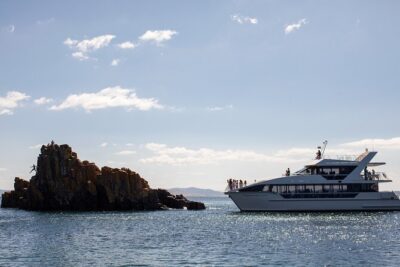 ★ 4.5Peppermint Bay Cruise & LunchFrom $161328 reviews
 ★ 4.6Historic Lunch CruiseFrom $46271 reviews
 ★ 4.92.5-hour Iron Pot Lighthouse CruiseFrom $102224 reviews
 ★ 4.3Morning River CruiseFrom $2422 reviews
 ★ 5.0Peaks, Falls & Furry Locals: Mt. Field & the DerwentFrom $71018 reviews
Browse the lists this tour appears in